5 Tips for Healthier Toothpaste
Oct 15, 2018by Angela Cummings and Sophia Ruan Gushée
If you're looking for another product to detox, and you haven't thought about your toothpaste, then read this article to learn about potential toxic exposures from your toothpaste. You can then re-evaluate yours, and decide what's best for you after considering additional information you may not know.
And parents should read on since children often accidentally swallow—and sometimes intentionally eat—toothpaste.
We’ll review toxic chemicals found in toothpaste, potential health effects, and how to find healthier options.
What are the toxic chemicals in conventional toothpaste?
Conventional toothpaste contains groups of chemicals such as:
- Pesticides. The ingredient “Triclosan” is used in popular toothpaste products. Used as an antibacterial, Triclosan is also registered with the U.S. Environmental Protection Agency as a pesticide. Below are potential health effects towards which Triclosan may contribute:
- Disruption of thyroid and reproductive hormones.
- Damage to the liver, immune system, and other vital organs.
- Resistance to bacteria, which may cause a larger health challenge.
- Antibacterial chemicals have been detected in breast milk. The potential health effects are not fully understood.
- Sodium Benzoate. Preservatives, such as sodium benzoate, are common in conventional toothpaste. Preservatives extend the shelf life of products. Sodium benzoate may contribute to hyperactivity in children.
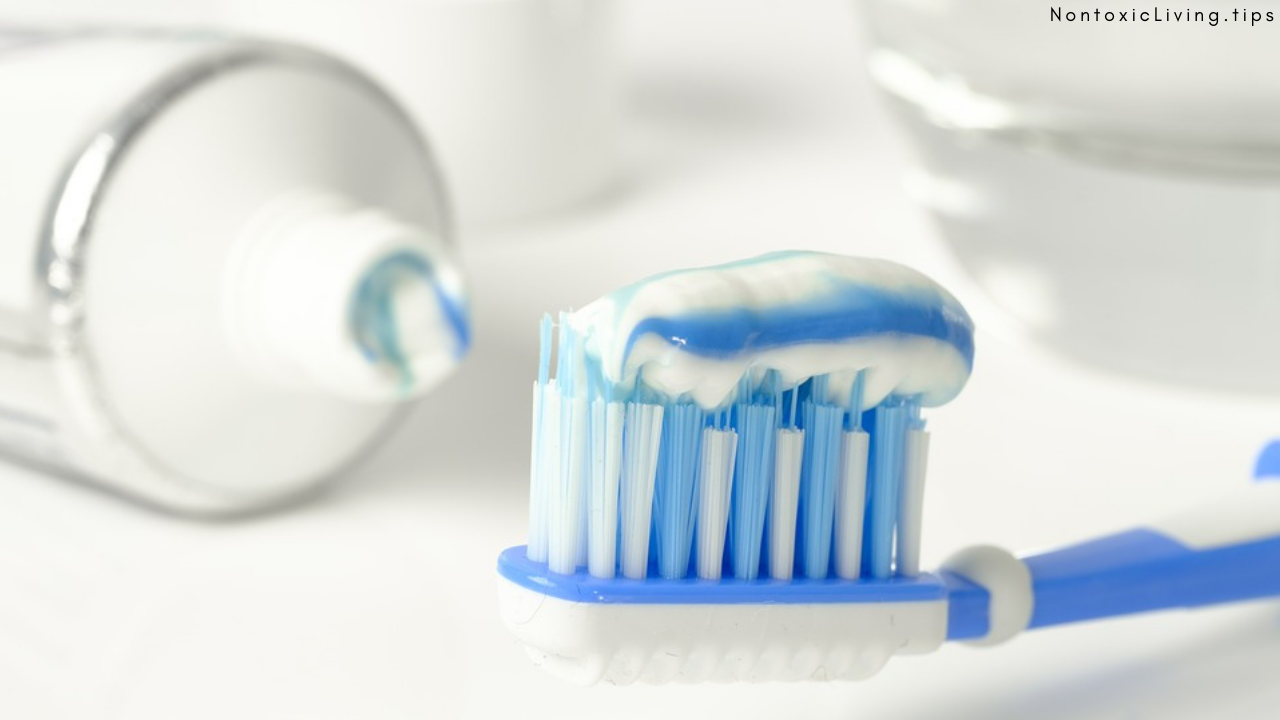
- Synthetic Colors and Artificial Flavors. Made of a variety of man-made chemicals, synthetic colors and flavors (like mint, orange, strawberry and other flavors) are common in toothpaste. Children’s toothpaste surely come in a variety of colors and flavors to make brushing teeth more fun. Many adult toothpastes are colored and flavored as well.
Artificial flavors and colors are developed in a laboratory using man-made chemicals. They may contribute to symptoms ranging from irritation to cancer. Each color and flavor are made of different chemicals, and each color and flavor result from various chemical formulas. So potential health effects vary by chemical formulas, individual exposures, and unique vulnerabilities.
What are the harmful effects of these chemicals on our health?
As mentioned above, the chemicals above may contribute to a variety of health effects in children and adults. In summary, they include :
- Hyperactivity
- Cancer
- Thyroid function, reproductive hormones
- Immune system and organ toxicity
- Resistance to bacteria
5 tips for healthier toothpaste
The good news is: there is nontoxic (and less toxic) toothpaste for children and adults. Here are a few things to look for when choosing nontoxic toothpaste.
- Free of Artificial Colors. Look for toothpaste that is free of artificial coloring. You can achieve this by reading labels to avoid dyes (e.g. FD&C Blue 1, F&C Green 3, etc).
- Avoid Artificial Flavors. Avoid toothpaste labeled with “artificial flavors.” It’s a general term meaning flavors made of chemicals are in that product.
- Avoid Natural Flavors. Manufacturers are allowed to label products “natural” even when artificial dyes and flavors are used. This can happen if the U.S. Food and Drug Administration considers these additives as GRAS which stands for “generally recognized as safe.”
- No Artificial Sugar. Sugars are often added to toothpaste. When artificial, the sweetening agent is made of chemicals that could be harmful to health.
- EWG Skin Deep guide. The guide ranks toothpastes (and other personal care items) according to the healthiness of the product.
Conclusion
Toothpaste is a product that could be detoxed. Be aware of the toxic exposures from yours and your family to mindfully decide which toothpaste you prefer. Choosing a nontoxic toothpaste can reduce toxic chemicals they are accidentally swallowed when we brush—and sometimes intentionally eaten by children.