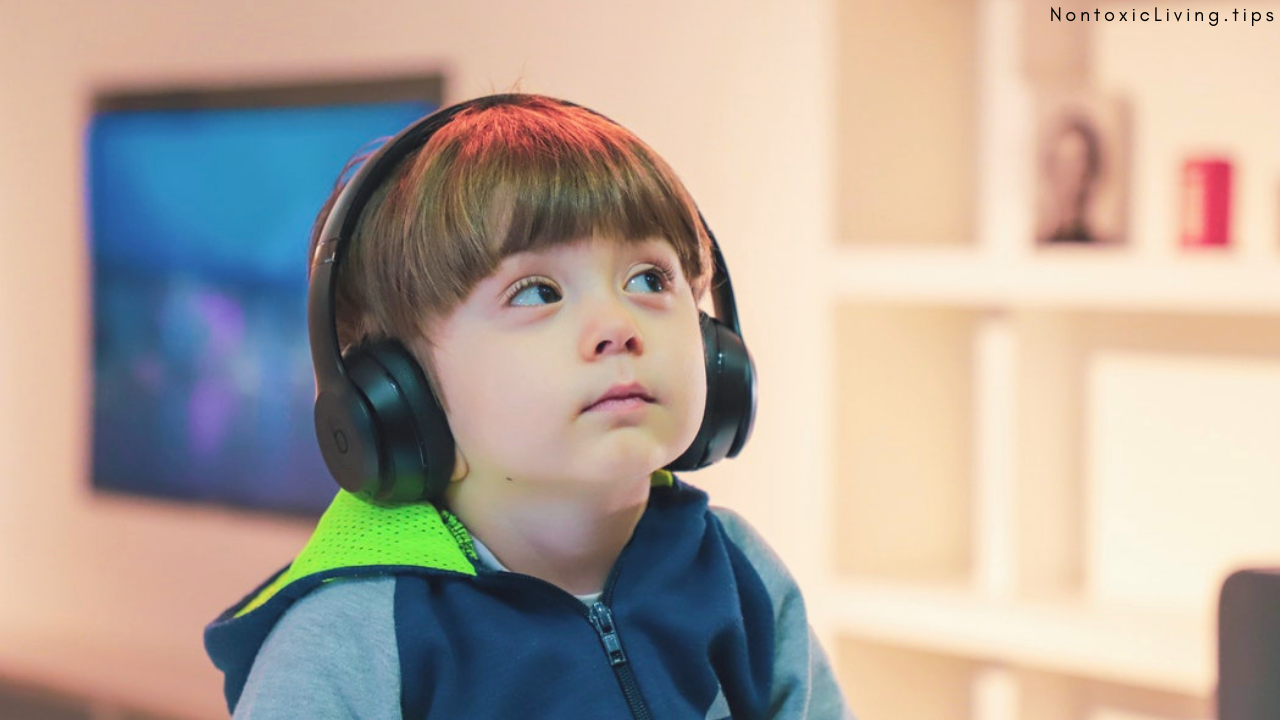
Are Headphones Safe for Children?
Oct 25, 2018Are headphones safe for children? In 2010, a national study found that hearing loss among adolescent children had increased from 14.9% (1988-1994) to 19.5% (2005-2006). That's a 4.6% increase over 12 years.
These days, about 50% of children aged 8-12 years listen to music daily. A large part of that listening happens while using headphones.
Should you be limiting your child’s use of headphones, as well as your own? Read on to find out if headphones are safe for children and adults.
Why Headphones Are Not (Always) Safe for Children
Loud noises, including music, can damage the sensory cells (called hair cells) inside your inner ear.
Prolonged exposure to high levels of noise makes these cells turn into scar tissue. This scar tissue may be causing hearing loss in both children and adults alike.
Children may not regulate the volume and amount of time spent using headphones.
Consider setting guidelines for your child that limits each of these.
How Loud Is Too Loud?
OSHA (Occupational Safety and Health Administration) has provided standards for noise levels in the workplace. These standards can be used by parents to determine how long their child can listen to music at a certain volume.
According to OSHA, you can safely listen to music at 85 decibels for eight hours. However, once you go above 85 decibels, the length of time decreases rapidly. For every 5 decibels above 85, the safe listening time decreases by half!
Monitoring Tips for Parents
1. Check the volume yourself
If children can’t hear someone talking an arm's length away, the noise level is higher than 85 decibels.
2. Insist on breaks
To protect the hair cells inside the inner ear, insist that your child take breaks from using headphones every hour or so.
If the noise doesn’t bother you, consider asking children to play their music using speakers instead of headphones at home.
3. Invest in better headphones
Headphones should fit children's ears correctly and have some noise cancellation features. Otherwise, children might accidentally turn the volume up too loud.
You can also buy headphones with a volume lock to prevent your child from turning the volume up too loud.
However, keep in mind that these features are not a substitute for parents monitoring children's headphone usage. In 2016, The Wirecutter tested 30 sets of children’s headphones and found that half did not live up to their noise cancellation promises!
Final Thoughts
Headphones can be safer for children by setting ground rules for use. Consider limiting the volume and time children are using headphones. Don’t forget to keep an eye on your own headphone usage as well!
If you are concerned about keeping your family safe from the negative impacts of technology, check out our Ultimate 21 Day Digital Detox. It will show you how to live with technology in a healthy, balanced way instead of eliminating it from your life altogether!