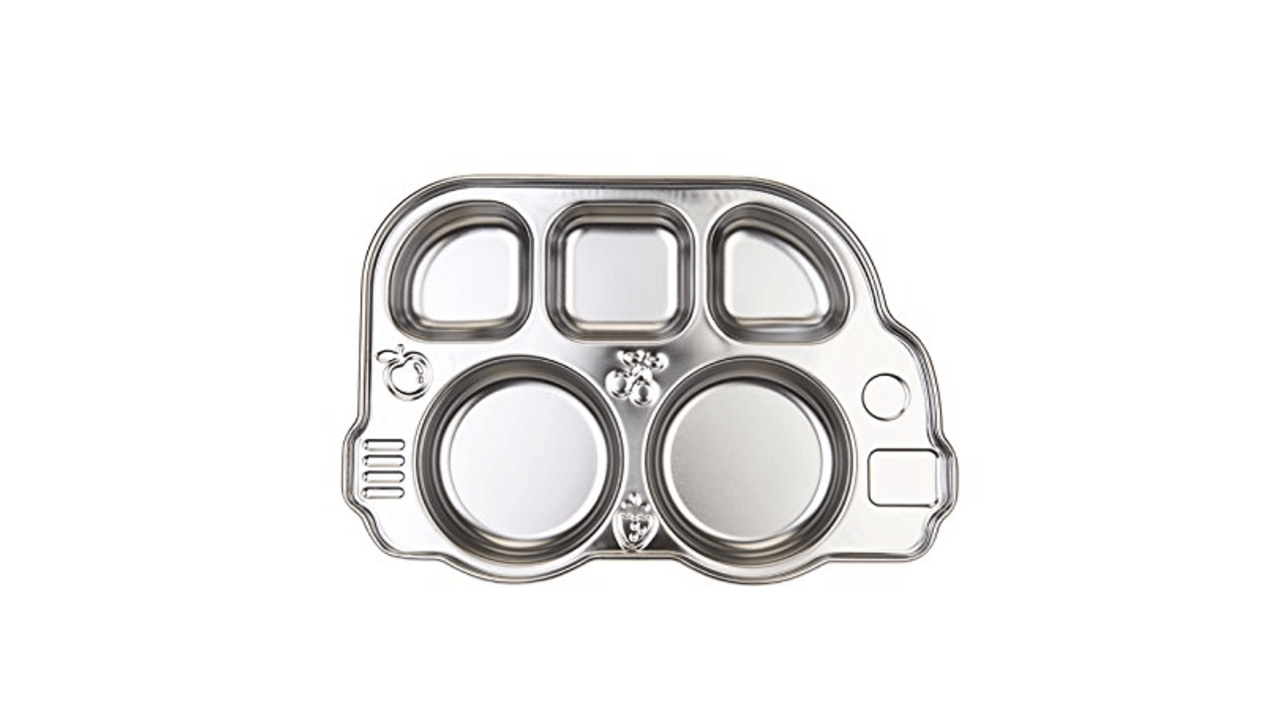
4 Types of Nontoxic Children's Dinner Plates
Aug 27, 2018by editorial team and Sophia Ruan Gushée
Dinner plates are often made of glass or ceramic. For children, however, these materials can be dangerous: One swipe of the arm, and their plate is on the floor, accompanied by a heap of food and a pile of broken glass or ceramic. That’s why children are often given plastic plates.
For children, durability and safety of dinner plates are important considerations. However, whether children's dinner plates may contaminate food and hands with hazardous chemicals should also be considered.
Why should dinner plates be nontoxic?
Plates made of plastic commonly contain chemical hazards—like the hormone-disrupting chemicals, phthalates and BPA. These toxic chemicals can leach from plastic into food. And the risks of leaching increases over time: through the aging plastic. The risk of leaching is further exacerbated from normal use, like when heated in a dishwasher or microwave.
These chemical hazards may contribute to various types of cancer, damage to the immune system, immature development of the male reproductive systems, obesity, precocious puberty in girls, asthma, allergies, and other health conditions.
Nontoxic dinner plates minimize hazardous substances that can contaminate your diet.
4 options for nontoxic dinner plates
Four popular materials for children's nontoxic dinner plates are stainless steel, wood, bamboo, and silicone. Below are the pros and cons to consider when choosing a plate that’s right for your young child:
1) Stainless steel plates (safest option)
Pros
- Plates made of stainless steel are durable for even the most destructive kids.
- Stainless steel plates are light-weight.
- Stainless steel plates do not leach the chemicals into food that plastics can from normal use.
- Look for 18/10 or 18/8 stainless steel
Cons
- Stainless steel plates cannot be put into the microwave or they will cause sparking, and potentially cause a fire.
- Stainless steel plates may be louder when dropped.
- Stainless steel plates are among the safest options. But beware that stainless steel can also leach nickel and chromium under certain circumstances so be careful not to scratch the stainless steel and beware that acidic foods, like tomato sauce, can facilitate leaching as well.
2) Wood Plates, or Bamboo Plates
Pros
- Plates made of wood or bamboo may be safer but if they are made of smaller particles of wood or bamboo that are adhered together by adhesives, then more understanding of the particles and adhesives are needed.
- Wood and bamboo are natural materials that can add warmth to your dinner table.
Cons
- Wood or bamboo plates cannot be put into the microwave because the wood can split or break.
- There may be finishes on wood plates, so make sure that any finish is food grade and nontoxic.
- If adhesives were used to manufacture the wood or bamboo plates, then the adhesives may contaminate food and hands with toxic chemicals.
3) Silicone plates
Pros
- Plates made of 100% food grade silicone have mostly been found to be safe and not leach chemicals. While there are conflicting studies, most studies agree that it’s a nontoxic material.
- Silicone plates are durable, and flexible.
- Silicone plates are quiet when dropped.
Cons
- It’s unclear if heating silicone produces chemical gasses (VOC, or volatile organic compounds, that are often a concern with paint fumes). So you may want to avoid microwaving and heating silicone plates.
Conclusion
Children's dinner plates need to be made of materials that are durable, safe, and nontoxic. Stainless steel plates are the safest options. Other popular alternatives are wood plates, bamboo plates, and silicone plates.