6 Strategies To Decrease Breast Cancer Risk
Oct 02, 2023"Clean," or "nontoxic," beauty products are becoming increasingly popular. At a valuation of $7.22 billion in 2022, the global clean beauty market value is expected to grow to $14.36 billion by 2028, according to a February 2023 article published on Business Wire.
Environmental Factors Contribute To Breast Cancer
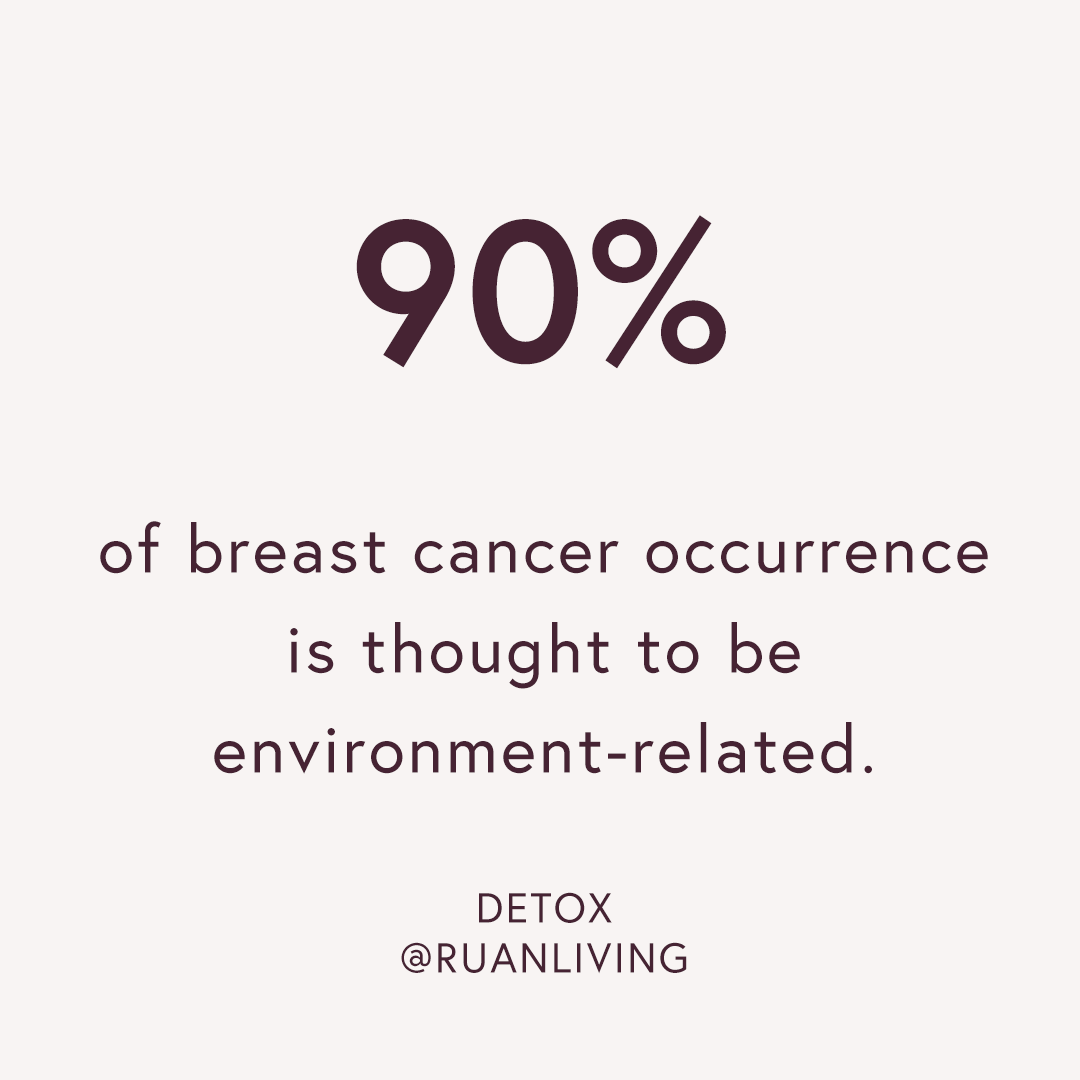
One driver of growth has been strengthening evidence and growing public awareness that non-genetic, including environmental, factors often have a meaningful influence on our health outcomes. A 2022 article in the International Journal of Environmental Research and Public Health states that "90% of breast cancer occurrence is thought to be environment-related."
Of the 86,000 chemicals introduced into American commerce since World War II, approximately 1,000 are estimated to be endocrine-disrupting chemicals (EDCs)—chemicals that can participate in our endocrine system (or, hormones). While cancer results from many factors including diet and exercise habits, scientists have been attracted to further examining how EDCs can contribute to hormone-related cancers, including breast cancer.
6 Strategies To Detox Hormone Disruptors
In this article, we share six empowering strategies to avoid hidden toxic chemicals in beauty and personal care products to reduce your exposure to hormone disruptors.
- Read product labels to avoid ingredients that end in "-parabens." The International Journal of Environmental Research and Public Health 2022 article linked above reports that parabens have been shown to "increase local estrogen levels" and "can crosstalk with the HER2 pathway and work with ER signaling to increase pro-oncogenic... expression." In other words, these chemicals have been shown to increase the activity that turns healthy cells into cancer cells. Not something you want in your body lotion, perfume, makeup, and more! So read product labels to avoid ingredients that end in "-parabens." Some popular parabens in cosmetics are methylparaben, propylparaben, butylparaben, and ethylparaben.
- Read product labels to avoid "fragrance." The chemicals that create the single ingredient "fragrance" do not have to be disclosed, and can contain up to thousands of chemicals in that one listed ingredient. One easy product for you to detox is your deodorant or antiperspirant. For tips, click here: Nontoxic Antiperspirants and Deodorants.
- Learn about other Household Repeat Offenders. These are ingredients, materials, and household products that often contaminate your home and body but are easy to detox. Sophia describes Household Repeat Offenders in great detail in her book A to Z of D-Toxing: The Ultimate Guide To Reducing Our Toxic Exposures, which includes hundreds of practical detox tweaks that can transform! However, parabens and fragrance are each Household Repeat Offenders so keep discovering them in your household items!
- Research your beauty and personal care products. One great resource is the EWG SkinDeep database, which generates a hazard score based on the ingredients in a product. Prioritize the products that you use most often.
- Simplify nontoxic living. Don't want to do all the work of checking every product & learning the ingredients? D-Tox Academy Members save time and money from our shortcuts, like the Ruan Living Shopping Guides of researched products that our Ruan Living team uses. Ruan Living Shopping Guides include over 50+ pages of product recommendations and the D-Tox Academy videos enhance the value of the Ruan Living Shopping Guides. Not yet a member? Join here: D-Tox Academy!
- Shop at the Ruan Living Amazon. This curated Amazon storefront contains researched products—including bath and body staples—that the Ruan Living team uses. Start shopping smarter today: Ruan Living Amazon.
Feel free to share your swaps & inspiration with us on Instagram! Tag us @ruanliving. We want to see your progress! 💖