Heavy Metals in Salt: Third-Party Test Results for 20 Salts—and the 5 With Non-Detect Levels
Feb 11, 2025Part of my series on heavy metals in food—where these contaminants show up in everyday foods, and how to reduce your family's exposure.
by Sophia Ruan Gushée. Originally published February 11, 2025. Last scientifically reviewed May 17, 2026. Updated September 1, 2026 with third-party heavy metal testing results for Only Salt.
Watching my family add salt to most homemade meals and snacks (like our homemade popcorn), I had to know: Which salt product—a brand or type of salt—is the healthiest? This question led to more than 140 hours of researching salt as I hunted for an answer to: Which salt has the least heavy metals? I was shocked by what I learned: heavy metals in salt—including lead, mercury, cadmium, and aluminum—have been found in many salt products through independent third-party laboratory testing.
The presence of heavy metals in various types of salt is a growing concern for health-conscious consumers and public health. Understanding which salts are more susceptible to contamination can help you make informed dietary choices.
In this article, you’ll learn how heavy metals contaminate salt, the salt products that returned the lowest reported levels in laboratory testing, actionable tips for choosing relatively clean salt options, and the salt product I chose as a staple in my kitchen.
The evidence at a glance
What the laboratory testing currently shows
- Heavy metals have been detected in many salt products, including sea salts, Himalayan salts, and other specialty salts.
- Salt type alone does not predict purity. Its source, processing, product lot, and testing transparency matter more.
- Independent testing matters more than marketing language. Terms such as “natural,” “mineral-rich,” and “unrefined” do not establish low contaminant levels.
- Diamond Crystal Kosher Salt is the salt I chose for my family because, of the data that I reviewed, it was among the products with the least contaminants.
Results can change by product and lot. Please note that results from the research for this article may become outdated as new laboratory evidence becomes available. So if you’re looking for which salt has the least contaminants, consider this article and then do your own research. I was surprised to learn that there’s a lot of testing on salt!
Want to learn practical tips rather than read this full evidence review? For four key questions to ask about salt—and my current recommendations—see my companion guide, The Cleanest Salt: Low Heavy Metals & Microplastics. This page is the comprehensive research review: contamination pathways, health and regulatory context, comparison of laboratory data, limitations, and source documentation.
Table of contents
What Are Heavy Metals, and Why Are They Found in Salt?
Heavy metals are naturally occurring elements that can pose serious health risks especially when consumed in excessive amounts. Yet our exposure isn’t only natural: human activity has raised heavy metal levels in our environment, and heavy metals are often found in household products—including salt. While salts are often valued for their mineral content, the presence of heavy metals should also be considered. Why? What harm might they pose?
Common Heavy Metals in Salt: Aluminum, Arsenic, Cadmium, Lead, and Mercury
Of the data that I reviewed, the most common heavy metals tested in salt are aluminum, arsenic, cadmium, lead, and mercury. Generally, these heavy metals are neurotoxic and some are recognized as cancer-causing in humans.
- Aluminum. A neurotoxin, aluminum can accumulate and be retained in the brain, contributing towards both the onset and the aggressive progression of all forms of Alzheimer Disease. Accumulation of aluminum in neurons has been related to cognitive and motor impairments, mostly related with neurodegenerative diseases and functional impairment at low doses. (Martinez et al., 2018)
- Arsenic. A potent neurotoxin, arsenic and its inorganic compounds are classified as “carcinogenic to humans” by the International Agency for Research on Cancer (IARC). The inorganic form is the more dangerous one and is the form found in salt, drinking water, and rice—it’s what pulled me into a deep dive on arsenic in rice. Organic arsenic, primarily found in seafood, is generally considered less toxic than inorganic arsenic, though emerging research is examining this more closely. Inorganic arsenic can cross the blood-brain barrier and accumulate in the brain, suggesting its role in neurological diseases. (Prakash et al., 2016)
- Cadmium. A neurotoxin, cadmium is also associated with kidney damage, bone demineralization, and an increased risk of cancer. It was ranked as the 7th most hazardous substance to human health by the Agency for Toxic Substances and Disease Registry. IARC classifies cadmium and its compounds as a Group 1 carcinogen (carcinogenic to humans), and both the U.S. EPA and HHS classify it as a known or probable human carcinogen. (Arruebarrena et al, 2023)
- Lead. While lead is “a systemic toxicant affecting virtually every organ system, [it] primarily affects the central nervous system,” and the developing brain is particularly vulnerable. Consequently, children are at a greater risk than adults of suffering from the neurotoxic effects of lead exposure. Children and pregnant women should be especially protected from lead exposure. (Sanders et al, 2009) The U.S. Food and Drug Administration has stated that no safe level of lead exposure has been identified, and lead is also stored in bones for decades.
- Mercury. Known for its neurotoxic effects, mercury can impair cognitive function, memory, and motor skills over time.
How Heavy Metals End Up in Salt
Since heavy metals exist throughout our natural environments, they’re often found in what we eat—arsenic in rice and rice by-products (like rice crackers, rice syrup, and rice cereal) is one example, and heavy metals in dark chocolate are another.
Similarly, the presence of heavy metals in the environments from which salt is extracted can influence heavy metals in salt. Salt contamination often arises from environmental pollution. For instance, sea salts can absorb pollutants from ocean water or if they’re exposed to air pollutants, while mined salts may contain impurities from geological deposits (PubMed).
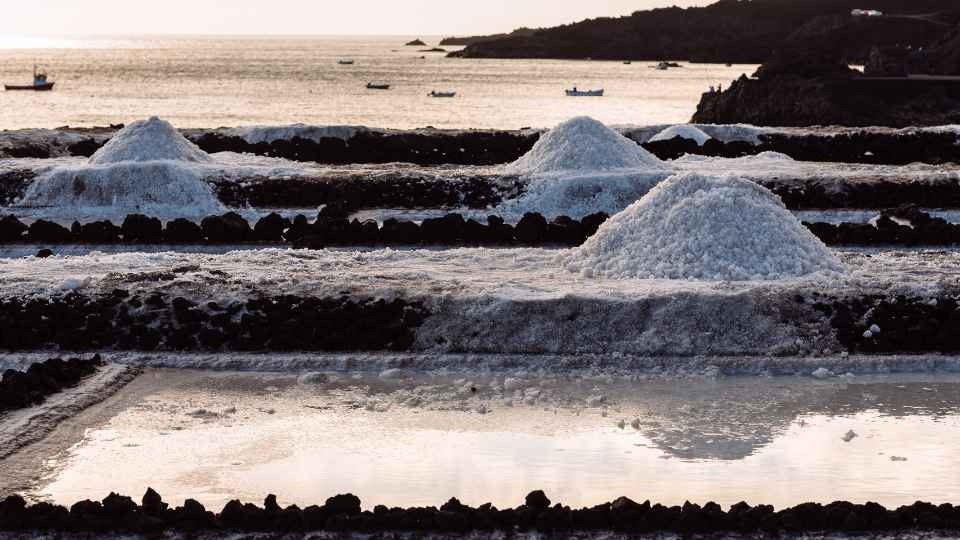
In addition, using heavy machinery and explosives in mining can also introduce heavy metal contamination in salt. Salt can also be contaminated by heavy metals during the processing stage.

In summary, heavy metals find their way into salts through both natural and human-made processes.
- Natural Deposits. Certain types of salt, like Himalayan pink salt and rock salts, are mined from ancient geological formations that may contain trace amounts of heavy metals. These metals occur naturally in the earth’s crust and can accumulate in mineral-rich salt deposits.
- Environmental Pollution. Sea salts are particularly vulnerable to contamination from heavy metals like mercury and lead due to industrial waste, plastic pollution, and other toxins released into the ocean. Microplastics in seawater can also bind to heavy metals, further contributing to salt contamination. Some salt manufacturing processes involve the salt being exposed in open fields, during which salt can become contaminated by air pollutants.
- Agricultural and Industrial Runoff. Water sources near salt production areas can become polluted by agricultural pesticides and industrial waste, introducing heavy metals into the salt harvested from these regions.
- Salt Extraction and Manufacturing Processes. Salt can be contaminated during these stages and approaches.

The Health Risks of Consuming Heavy Metals in Salt
Consuming salt contaminated with heavy metals such as lead, mercury, and cadmium poses significant health risks especially for developing brains. These toxic elements can accumulate in the body over time, leading to both immediate and long-term health issues. For those who hope to have children, you should know that your body burden of heavy metals can affect your future children.
Short-Term Effects of Heavy Metal Exposure
Acute toxicity from heavy metals in salt is not common. However, pregnant women and children should be especially protected from any heavy metal exposure because the developing brain is uniquely vulnerable to heavy metals like lead, which can cause permanent effects on intelligence and behavior. Salt is often a source of heavy metal exposure among many other sources. So cut down when possible.
The Cleveland Clinic reports that common symptoms include abdominal pain, nausea, vomiting, diarrhea, and a general feeling of weakness. Some individuals may also experience chills or a low body temperature, as well as a scratchy sensation in the throat. Neurological symptoms such as numbness or a prickly feeling in the hands and feet can also occur.
Heavy metals in salt are unlikely to cause acute toxicity at typical dietary levels. Chronic exposure and long-term health risks are more likely to be relevant.
Long-Term Health Risks: Toxicity, Hormonal Disruption, and More
Heavy metals can accumulate in the body. This body burden of heavy metals (and toxic chemicals) can be shared with your unborn children. For example, mothers share their body burden during pregnancy and through breastmilk (the benefits of breastmilk often outweigh the risks).
Heavy metals are associated with neurological damage, kidney issues, and other chronic health concerns. IARC classifies cadmium and its compounds as a Group 1 carcinogen (carcinogenic to humans) and inorganic lead as Group 2A (probably carcinogenic to humans). Mercury can affect brain development, especially in children and pregnant women. (Balali-Mood et al, 2021)
Chronic, low-dose exposure to heavy metals in salt is associated with long-term health concerns. For example, the “nervous system is particularly vulnerable to prolonged, low-dose cadmium exposure” (Arruebarrena et al, 2023). Prolonged accumulation of heavy metals in the body has been linked to neurological issues, including cognitive decline and memory impairment, endocrine disruption, leading to hormonal imbalances, and an increased risk of cardiovascular diseases, such as hypertension and atherosclerosis. Furthermore, certain heavy metals are associated with an increased risk of various cancers. (AHA Journals)
Long-term health risks include:
- Neurological Damage. Chronic exposure to heavy metals like lead and mercury is associated with cognitive decline, memory loss, increased risk of neurodegenerative diseases, Parkinson’s disease, hearing loss, age-related cataracts, glaucoma, and other chronic conditions (Chen et al, 2016; Althomali et al, 2024; Ebrahimi et al, 2024).
- Kidney Damage. Heavy metals can induce oxidative stress in the kidneys, leading to nephrotoxicity and impaired renal function (Sabatha and Robles-Osorio, 2012).
- Carcinogenic Potential. Prolonged exposure to certain heavy metals has been associated with an increased risk of cancer. Arsenic (As) and cadmium (Cd), detected in the salt products in Tables 1 and 2 below, are classified as Group 1 carcinogens by the International Agency for Research on Cancer (Abdi et al, 2021; Zhu and Costa, 2020).
- Unknown future risks to you, your children, and your grandchildren. Heavy metals stored in the body persist for years. For example, lead can be stored in your bones for up to 30 years. How these accumulated exposures shape your future health is difficult to predict.
Remember that chronic, low-level exposure can contribute to adverse health effects especially because heavy metals can accumulate in your body.
Regulatory Context: What Authoritative Agencies Recommend
Health authorities have set guideline values for these heavy metals, but it helps to know how those numbers actually work before applying them to anything you buy.
Start with this: there’s no established “safe” level of lead exposure—the FDA has said so directly. The EPA takes a similar position on arsenic, setting its Maximum Contaminant Level Goal in drinking water at zero. The benchmarks below aren’t thresholds at which harm begins—they’re targets agencies use to flag when exposure might be a concern.
The other thing worth understanding is that these limits apply to your total daily intake, not to any single food. The FDA’s Interim Reference Level for lead is 8.8 micrograms per day for women of childbearing age. That’s a ceiling for lead from everything combined: your water, your grains, your vegetables, and yes, your salt. You can’t take a parts-per-billion number from a single product and compare it directly to a per-day intake limit—you’d need to know how much of that food you’d actually eat, plus what you’re getting from everywhere else.
It also helps to know that different agencies have set different guideline values, and for some metals nobody has set one at all. Lead has the most established benchmarks. Cadmium has WHO guidelines based on how long it stays in the body (about 15 years). Arsenic’s previous WHO guideline was withdrawn in 2011 and hasn’t been replaced. Aluminum has WHO guidelines but no FDA or EPA dietary limit.
If you want the specific numbers, here are key ones:
- Lead. FDA Interim Reference Levels (updated 2022): 2.2 µg/day (children) and 8.8 µg/day (women of childbearing age). (FDA, 2022) Note: an earlier 12.5 µg/day IRL (set in 2018) is sometimes cited as a benchmark for general adults, though FDA’s current IRLs apply specifically to children and women of childbearing age. California’s Proposition 65 sets a separate Maximum Allowable Dose Level (MADL) for reproductive toxicity at 0.5 µg/day. (OEHHA)
- Cadmium. WHO/JECFA Provisional Tolerable Monthly Intake: 25 µg/kg body weight per month. EFSA recommends a lower weekly intake of 2.5 µg/kg per week. (JECFA, 2010–2011)
- Mercury. EPA Reference Dose for methylmercury: 0.1 µg/kg body weight per day. WHO Tolerable Daily Intake for inorganic mercury: 2 µg/kg body weight. (EPA IRIS, 2001; WHO)
- Arsenic. No current tolerable intake level (WHO withdrew its previous guideline in 2011). EPA drinking water Maximum Contaminant Level Goal: zero (health-based). EPA drinking water enforceable limit (MCL): 10 ppb. (JECFA, 2011; EPA)
- Aluminum. WHO/JECFA Provisional Tolerable Weekly Intake: 2 mg/kg body weight per week. EFSA recommends 1 mg/kg per week. (JECFA, 2011)
So what does this mean when you’re shopping for salt? Heavy metal exposure adds up across everything you eat and drink every day. Choosing a salt that tests at non-detect or low reported levels takes one source off that running total. The “body burden” you carry over time depends on the sum of these everyday choices—your salt, your water, your produce, your cookware, and so on.
That said, none of this is grounds for a false sense of security. Contaminants in salt will most likely continue to vary based on factors outside the manufacturer’s control, and the regulatory landscape itself is still evolving.
Which Types of Salt Are Most Likely to Contain Heavy Metals?
All major types of salt—Celtic sea salt, pink Himalayan, iodized table salt, sea salt, and rock salt—have been found to contain heavy metals in independent laboratory testing. Source environment, processing method, and manufacturer testing transparency matter more than salt type alone in determining how clean a specific product is.
Celtic Sea Salt: Mineral-Rich, but Among the Higher Heavy Metal Readings
Celtic sea salt is the moist, gray, hand-harvested salt from the coastal flats of Brittany, France. Sold most widely in the U.S. under the Selina Naturally / Celtic Sea Salt® brand, it is prized for its trace mineral content, and it’s one of the most-searched salts among readers asking whether it contains heavy metals.
From the testing results I reviewed, Celtic-style gray salts more often have higher readings rather than lower ones. In the compiled testing summarized in Table 1, a fine-ground Celtic sea salt sample returned some of the higher figures in the dataset: arsenic at 82 ppb and lead at 553 ppb in Mamavation’s testing, alongside an aluminum reading of 171 ppm. A separate manufacturer-published comparison reported arsenic as high as 1,000 ppb and lead around 400 ppb for a Celtic-type salt. These are individual results from different sources using different methods and lots, so they aren’t directly comparable. But the pattern is consistent with what you’d expect from a minimally processed, environmentally exposed sea salt: more retained minerals, and more retained contaminants. As with every figure in this article, the detection of a metal does not by itself establish a health outcome.
This is the tradeoff behind a question many readers search: is there a Celtic salt without heavy metals? Based on the testing reviewed here, no Celtic sea salt has returned the non-detect-across-the-board pattern that places a product in Table 3. If the mineral profile and flavor of gray salt matter most to you, a precautionary approach is to treat it as one input into your total daily exposure rather than assuming a “natural” label signals lower contaminant levels—and to favor brands that publish current third-party testing. If lowest reported heavy metals is your priority, the brands in Table 3 (including sea salts like Maldon and Jacobsen Pure Kosher) have returned lower or non-detect results in independent testing.
The Celtic Sea Salt Lawsuit
In February 2025, a proposed class action (Gonzalez v. Celtic Ocean International, LLC) alleged that two Selina Naturally varieties—Fine Ground and Light Grey Celtic Sea Salt—contained elevated lead and arsenic, citing lab testing of roughly 460 ppb lead and 140 ppb arsenic, and claimed the products were marketed deceptively. The company has disputed the allegations, stating that no court has found its products to contain unsafe levels of these metals and that trace heavy metals occur naturally in unrefined sea salt. The suit was voluntarily dismissed on April 11, 2025: the plaintiff’s individual claims were dismissed with prejudice, while the proposed class claims were dismissed without prejudice, meaning a similar case could be refiled. Regardless of how any single legal matter resolves, comparing published testing across brands remains the practical step.
If you want to verify a Celtic salt yourself, see How Is Salt Tested for Heavy Metals, and Can You Test It at Home? below.
Himalayan Pink Salt: The Good and the Bad
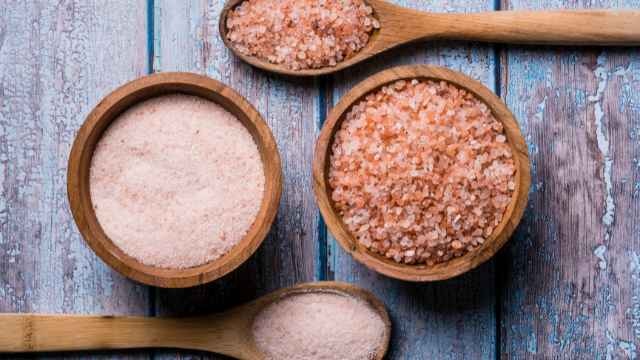
Often praised for its trace mineral content and distinctive flavor, Himalayan pink salt is also often contaminated with microplastics and heavy metals. Research analyzing pink salt samples available in Australia found one sample that contained levels of lead that exceeded the national maximum contaminant level set by Food Standards Australia New Zealand, posing potential health risks. (Fayet-Moore et al, 2020)
Iodized Table Salt
Iodized table salt sits at the opposite end of the spectrum from mineral-rich sea salts. It’s typically a highly refined salt, which usually means most trace minerals (and many trace metals) are removed during processing, with iodine and an anti-caking agent added back. The intuition that “more refined means fewer retained metals” is a reasonable rule of thumb, but it isn’t absolute. When LeadSafeMama tested Morton Iodized Salt in September 2025, the independent lab report indicated detectable lead and mercury; the tester noted the lead level was low but flagged the mercury as the more meaningful concern, on the grounds that no level of lead exposure has been identified as safe and ingested mercury carries its own risks. That’s a single product and a single lot, not the entire iodized category, but it’s a useful reminder that “refined” is not a synonym for non-detect.
This is also the honest answer to a common comparison, kosher salt versus iodized salt: in independent testing to date, kosher salts like Diamond Crystal have returned non-detect results across lead, cadmium, mercury, and arsenic, while the one iodized salt with public independent results showed detectable lead and mercury. Before you treat that as settled, keep two things in mind. Only a small number of products in each category have been tested, and iodized salt does one thing the unrefined and kosher options generally do not: it supplies iodine, an essential nutrient. If you’re moving away from iodized salt toward unrefined sea salt, it’s worth confirming you’re getting adequate iodine elsewhere in your diet. A precautionary approach here favors brands with current third-party testing while not overlooking the nutritional reason iodized salt exists.
Sea Salt: Nutritional Benefits vs. Contamination Risks
Also valued for its natural mineral content and minimal processing, sea salt is also contaminated with microplastics and heavy metals from environmental pollution. Studies have detected heavy metals and microplastics in various sea salt brands, raising questions about their purity and safety. Consumers should be aware of these potential contaminants when choosing sea salt.
Rock and Well Salts: Natural Sources, but Not Always Pure
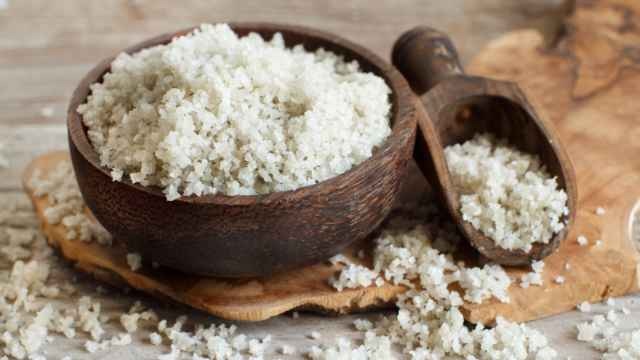
Rock salts, including well salts, are mined from underground deposits and are often considered more natural alternatives. However, the mineral composition of these salts can vary, and some may contain microplastics and heavy metals. It’s essential to choose rock salts from reputable sources that provide information on their mineral content and purity.
Third-Party Tested Salt Brands with the Lowest Reported Heavy Metals
I was delighted to learn that laboratory tests of salt brands exist. Before we get to third-party tested salt brands with the lowest reported heavy metals, let’s address, What does third-party testing for salt purity mean?
I reviewed dozens of studies on salt that were published in peer-reviewed journals and other trusted sources. These studies didn’t reveal insights on specific salt products or brands. This review covered different types of salt—sea salt, Himalayan pink salt, course salt, table salt, etc.—from various countries. I was looking for patterns. Wondering, for example, Is terrestrial salt (salt from land) less contaminated than sea salt? Or, Is salt from some parts of the world more risky than others?
In addition, I reviewed results of salt products tested in laboratories. Results of lab-tested salt products are summarized in Table 1 (below). They came from the following:
- Mamavation originally sent 23 salt products to an EPA-certified laboratory to test for aluminum, arsenic, cadmium, mercury, lead, and microplastics. Good news: Mamavation reported that none of the initial 23 salt products tested came back with levels that would require a Prop. 65 warning based on serving size per day. Mamavation has since expanded its investigation; as of May 2026, approximately 40 salt brands have been tested (including Vera Salt, Crucial Four, Terrasoul Superfoods, and others added since 9/2025). Among those later additions, Mamavation reported that Only Salt Plastic-Free Spring Salt may need a Prop. 65 warning in California for lead (see footnote 19 and the discussion below). Detailed brand-by-brand results for the newer additions are otherwise accessible through Mamavation Insider membership.
- LeadSafeMama also laboratory-tested salt products like Redmond Real Salt, Saltverk Hand Harvested Flaky (white) Sea Salt, Jacobsen Salt Company Pure Kosher Sea Salt, Jacobsen Salt Company Pure Italian Fine Sea Salt, Maldon Sea Salt Flakes, Diamond Crystal Kosher Salt, and Morton Iodized Salt. As you can see in Table 1 below, you shouldn’t assume that if a brand sells one really “clean” product that all of its products are equally as nontoxic. LeadSafeMama has also published a consolidated salt comparison chart that readers may find useful as a reference.
- Salt manufacturers/brands also provided test results from third-party laboratories that they contracted directly. Note that the laboratories themselves (such as AGQ Labs USA, Light Labs, and EMSL Analytical) operate under their own accreditation standards, which constrain methodological flexibility regardless of who pays for the testing. Manufacturer-contracted results are summarized in Table 2 and include Crucial Four, Only Salt, Redmond Real Salt, and Vera Salt. Where the same product has been tested by multiple sources, the figures in Table 1 reflect each source individually, with footnotes (7) through (11) and (16) and (17) identifying which result came from which test.
I consider results from 1 and 2 above the most clearly “third-party” tested in the consumer-advocacy sense, because the testing, by Mamavation and LeadSafeMama, was conducted by those who don’t have ownership interests in the salt brands. While results from 3 above were also conducted by accredited laboratories, the studies were paid for by the manufacturer, so consider that when deciding which salt you want to consume regularly. In the three tables that follow, results from category 3 have endnotes 7–11 and 16–17.
The data from the wide variety of sources felt highly imperfect. Laboratory test results were reported differently, like ppm versus ppb. So I gathered data from all the sources I found, and tried to organize them, to analyze them, to answer the question, Which is the best salt for my family? In answering this question, I also considered nutritional benefits along with contaminants.
So, in summary, Tables 1, 2, and 3 summarize the heavy metals detected in select salt products tested by Mamavation, LeadSafeMama, Crucial Four, Only Salt, Redmond Real Salt, and Vera Salt. Ruan Living did not conduct this testing—the tables compile publicly reported laboratory results from independent third-party testing organizations and from salt manufacturers. Testing methods, sample lots, and dates vary between sources, so results may not be directly comparable. Where multiple sources tested the same product, all reported values are listed; I encourage you to consult the original sources cited in the footnotes.
And consider that Mamavation and LeadSafeMama have test results for many more salt products than what are listed in this article. In Table 1 below, I selected salt products that I use in my home or that I often see in the stores that I frequent. Table 2 appears later in the “How to Choose the Healthiest Salt” section, and Table 3 appears in the Conclusion.
Table 1
Salt Products with Compiled Laboratory Testing for Heavy Metals
Values are rounded and shown in parts per billion (ppb) unless otherwise noted. Aluminum is reported in parts per million (ppm). NA = not available. ND = non-detect. MRL = Maximum Residue Levels (metals detected at levels too low to measure precisely). LOQ = Limit of Quantification (a value preceded by “<” indicates the analyte was below the laboratory’s LOQ and was not quantified at that exact figure). Superscript numbers refer to the source footnotes below.
| Salt Product | Aluminum (ppm) | Arsenic (ppb) | Cadmium (ppb) | Lead (ppb) | Mercury (ppb) | Microplastics |
|---|---|---|---|---|---|---|
| Baja Gold Mineral Sea Salt (Fine Grind) | NA | 11(18) | ND <10(18) | 114(18) | ND <10(18) | NA |
| Crucial Four mSalt (Icelandic Sea Salt) | NA | <60(7), ND(16) | 4(7), ND(16) | 30(7), ND(16) | 7(7), ND(16) | ND(7) |
| Crucial Four mMinerals (Polar White Sea Salt) | 5(2) | 22(2), 10(7) | 1(2), 10(7) | 7(2), 10(7) | ND(2), 5(7) | ND(7) |
| David’s Kosher Salt | ND(2) | 11(2) | <MRL(2) | 3.6(2) | ND(2) | ND(2) |
| Diamond Crystal Kosher Salt | ND(2) | ND(2), ND(12) | <MRL(2), ND(12) | ND(2), ND(12) | ND(2), ND(12) | ND(2) |
| Frontier Co-Op Fine Grind Pink Himalayan Salt | 80(2) | 17(2) | <MRL(2) | 71(2), <1,000(4) | ND(2) | ND(2) |
| Jacobsen Salt Co. Pure Italian Fine Sea Salt | NA | ND <10(6) | ND <10(6) | 98(6) | ND <10(6) | NA |
| Jacobsen Salt Co. Pure Kosher Sea Salt | 1.7(2) | 10(2), ND <6(5) | 0.5(2), ND <3(5) | 25(4), ND(2), ND <1.5(5) | ND(2), ND <1.5(5) | ND(2) |
| Kirkland (Costco) Himalayan Pink Salt | NA | NA | NA | <120(4) | NA | NA |
| Kirkland Signature (Costco) Sea Salt | NA | NA | NA | 250(4) | NA | NA |
| Maldon Sea Salt Flakes | ND(2) | 13(2), ND(13) | ND(2), ND(13) | 700(1), <MRL(2), ND(13) | ND(2), ND(13) | ND(2) |
| McCormick Fine Ground Pink Himalayan Salt | 167(2) | 45(2) | <MRL(2) | 93(2) | ND(2) | ND(2) |
| Morton Iodized Salt | ND(2) | <MRL(2) | <MRL(2) | <2,000(1), 12(2), positive(14) | ND(2), positive(14) | ND(2) |
| Only Salt Plastic-Free Spring Salt | 7.8(19) | 60(10), 797(19) | 4(10), 0.34(19) | 30(10), 4,669(19) | 7(10), ND(19) | ND(17) |
| Redmond Real Salt | 229(2), ≈<500(9) | 91(1), 36(2), ≈<80(9) | 7(2), ND <3(1), 20(7), ≈<20(9) | 290(1)(4), 252(2), 200(7), ≈<200(9) | ND(2), ND <1.5(1), ≈<20(9) | ND(2) |
| Saltverk Flaky Sea Salt | ND(2) | 15(2), 21(3) | ND(2), ND <3(3) | 7(2), ND <1.5(3) | ND(2), ND <1.5(3) | ND(2) |
| Selena Celtic Sea Salt Fine Ground | 171(2) | 82(2), 1,000(7) | 1(2), ND(7) | 553(2), 400(7) | ND(2), ND(7) | ND(2), miniscule(7) |
| Trader Joe’s Himalayan Pink Salt Crystals | 83(2) | 34(2) | 2(2) | 181(2) | ND(2) | ND(2) |
| Terrasoul Superfoods Himalayan Pink Salt | 16(2) | 24(2) | 1(2) | 84(2) | ND(2) | ND(2) |
| Vera Salt Pure Natural Spring Salt | 2.78(8), 1.36(11), 1.42(11), 2(2) | ND <10(8), ND <20(11), ND <16.33(11), 15(2) | ND <10(8), ND <20(11), ND <2.93(11), 0.7(2) | 65(8), ND <20(11), ND <46.32(11), 46(2) | ND <10(8), ND <20(11), ND <17.8(11), ND(2) | ND(11), ND(2) |
Stay current on the testing
Get updates as new salt test results emerge
The testing landscape keeps changing—brands are retested and new results surface. Join my free Ultimate Home Detox™ Kickstart, a 10-day mini email course that introduces the first practical steps of Practical Nontoxic Living™—and registers you for my free newsletter, where I share new salt findings as I review them.
How to Choose the Healthiest Salt: Weighing Heavy Metals, Minerals, and Iodine
To choose safer salt, look for brands with third-party laboratory testing that shows non-detect or low reported results for lead, cadmium, arsenic, mercury, and aluminum—and prioritize testing done by independent organizations rather than the manufacturer alone.
I spent approximately 80 hours scouring through all the information that supports this article (and another 60 hours studying microplastics in salt). Choosing the right salt for your health involves more than selecting a product based on taste or marketing claims. Salt can be a hidden source of heavy metals and contaminants, so understanding how to identify safer, cleaner options is essential.
When deciding what kind of salt, remember that there may be tradeoffs in how processed the salt is. Highly processed salt, like conventional table salt, may have fewer levels of contaminants but may have fewer nutrients as well. While minimally processed salt, which may have retained more natural minerals, may also have higher levels of contaminants like heavy metals.
How Is Salt Tested for Heavy Metals, and Can You Test It at Home?
Meaningful heavy metal testing happens in a laboratory, not at your kitchen counter. The independent results referenced throughout this article come from sensitive instrument methods (typically ICP-MS, inductively coupled plasma mass spectrometry, or a related technique) that can measure lead, arsenic, cadmium, and mercury down to parts per billion. Mamavation uses an EPA-certified laboratory; LeadSafeMama uses an independent lab and publishes the full report for each product. You can do the same thing yourself by mailing a sample to a lab that runs a heavy metals panel, which generally runs somewhere in the range of roughly 80 to 200 dollars per sample depending on the lab and the metals included.
What does not work is the at-home approach many readers ask about. The lead “test swabs” sold in hardware stores are designed to detect lead on surfaces like painted toys or dishware, not to quantify parts-per-billion levels in food, and they aren’t a valid way to test salt. Handheld XRF analyzers, the devices used in some consumer-goods testing, also aren’t reliable at the very low concentrations relevant to food. The practical takeaway for any salt, including Celtic sea salt: there’s no dependable way to test it at home, so the most useful steps are to look for a current third-party Certificate of Analysis from the manufacturer, check independent testing from organizations like Mamavation or LeadSafeMama, and look for a California Proposition 65 warning on the label or the company’s website.
Watch Out for Greenwashing
From my research, I noticed some greenwashing by brands that claim to laboratory test their products. Patterns I noticed include:
- Claiming to be laboratory tested but not providing more information about the results.
- Presenting test results in parts per million (ppm), which would appear to be a much smaller number. Most test results appeared in parts per billion (ppb). One ppm is equivalent to 1,000 ppb.
- The laboratory testing may be designed to influence an outcome that’s beneficial to the manufacturer. A lot more detail and time is needed to assess this, and I didn’t approach this research rabbit hole.
Understand Manufacturer-Provided Testing
The salt products in Table 2 below were tested by laboratories contracted by their own manufacturers, so the results should be evaluated in that context. Redmond Real Salt, which I really enjoy the taste of and energy from, has attracted contradictory data over the years. When Redmond’s published summary averages are read correctly, they fall in similar ranges to what Mamavation and LeadSafeMama have independently reported. It’s such a popular salt that I’m sure more information will surface. The testing landscape continues to evolve—for updates as new results emerge, join my newsletter through the free Ultimate Home Detox™ Kickstart.
Table 2
Salt Products with Laboratory Results Provided by the Manufacturer
These results were provided directly by the salt manufacturers themselves, or by third-party laboratories contracted by the manufacturer. Where independent testing of the same product is also available, it appears in Table 1 and may differ substantially—see the section below on Only Salt.
| Salt Product | Aluminum (ppm) | Arsenic (ppb) | Cadmium (ppb) | Lead (ppb) | Mercury (ppb) | Microplastics |
|---|---|---|---|---|---|---|
| Crucial Four mSalt (Icelandic Sea Salt) | NA | <60(7), ND(16) | 4(7), ND(16) | 30(7), ND(16) | 7(7), ND(16) | ND(7) |
| Crucial Four mMinerals (Polar White Sea Salt) | 5(2) | 22(2), 10(7) | 1(2), 10(7) | 7(2), 10(7) | ND(2), 5(7) | ND(7) |
| Only Salt Plastic-Free Spring Salt | NA | 60(10) | 4(10) | 30(10) | 7(10) | ND(17) |
| Redmond Real Salt | 229(2), ≈<500(9) | 91(1), 36(2), ≈<80(9) | 7(2), ND <3(1), 20(7), ≈<20(9) | 290(1)(4), 252(2), 200(7), ≈<200(9) | ND(2), ND <1.5(1), ≈<20(9) | ND(2) |
| Vera Salt Pure Natural Spring Salt | 2.78(8), 1.36(11), 1.42(11), 2(2) | ND <10(8), ND <20(11), ND <16.33(11), 15(2) | ND <10(8), ND <20(11), ND <2.93(11), 0.7(2) | 65(8), ND <20(11), ND <46.32(11), 46(2) | ND <10(8), ND <20(11), ND <17.8(11), ND(2) | ND(11), ND(2) |
Vera Salt’s results reflect accredited third-party testing across multiple years (AGQ Labs USA in 2023, 2025, and 2026 via ICP-MS; Light Labs in 2026 via ICP-MS/MS to ISO 17025 standards; EMSL Analytical in 2026 via PLM, RLM, and FTIR per ISO 24187:2023 for microplastics) commissioned by the manufacturer. All reports are publicly accessible at verasalt.co/pages/lab-testing.
When Self-Reported Numbers and Independent Testing Disagree
Only Salt is the clearest illustration of why the source of a test result matters as much as the result itself.
Until this update, the figures in this article for Only Salt Plastic-Free Spring Salt came from the company’s own published materials: arsenic 60 ppb, cadmium 4 ppb, lead 30 ppb, mercury 7 ppb. No laboratory, analytical method, or limit of quantification was named alongside them. Mamavation sent the same product to an EPA-certified laboratory and reported lead at 4,669 ppb—roughly 155 times the self-reported figure. It also reported arsenic at 797 ppb and aluminum at 7.8 ppm. Mamavation flagged it as a product that may require a California Proposition 65 warning for lead, and placed it in its “Not Our Favorite Salt Products” category.
For scale: at 4,669 ppb, one gram of salt carries about 4.7 micrograms of lead. As noted in the regulatory section above, the FDA’s interim reference levels for lead are 2.2 micrograms per day for children and 8.8 micrograms per day for women of childbearing age, and those levels cover lead from the total diet—every food and beverage combined, not one seasoning.
In January 2025 I asked Only Salt directly whether heavy metals were tested. I did not receive an answer. As of September 2026, I could not locate heavy metal testing published on the company’s website; the product is marketed as “toxin-free.”
This is not an argument that every manufacturer-funded result is wrong. Vera Salt, elsewhere in this article, publishes complete accredited lab reports across multiple years and multiple laboratories, and that documentation is exactly what makes its results usable. The argument is for four questions: who paid for the test, which laboratory ran it, what method and limits of quantification were used, and whether the full report is available to read. Where a company publishes numbers without those details and does not answer when asked, the numbers tell you less than they appear to.
Look for Source Transparency
Look for brands that disclose from which geographic regions their salt is sourced from, and how the salt is extracted, processed, and any testing processes and results. This should be available on the product’s website.
Prioritize Third-Party Testing
Opt for products tested for heavy metals by independent labs—testing initiated by an independent party carries more weight than testing the manufacturer commissioned, and prioritizing third-party-tested salts may help reduce the risk of exposure to heavy metals like lead, mercury, and cadmium. Be mindful of potential greenwashing (mentioned earlier), and note that some results in Table 1 above come from manufacturers; these are highlighted in Table 2.
What Is the Healthiest Salt?
I used to think the healthiest salt was the one with the most minerals—the most natural, the least processed. After learning more about heavy metals in salt, I’ve come to think it depends on what you’re optimizing for. If your priority is the lowest detectable heavy metals, the brands that have returned non-detect results in independent third-party testing (see Table 3) are the best-documented choices. If you need iodine, a refined iodized salt fills a nutritional need that unrefined salts generally don’t. For my own kitchen, I want the salt with the least heavy metals and microplastics that still works for how we cook.
Salt Brands with the Lowest Reported Heavy Metals (2026 Third-Party Testing)
This section summarizes what follows from the evidence compiled in this article. For a shorter, decision-focused guide organized around what I would buy and why, visit The Cleanest Salt: Low Heavy Metals & Microplastics. This page remains the source for the underlying laboratory comparisons, regulatory context, methodology, and limitations.
Based on independent third-party testing reviewed and updated through May 2026, five salt products have returned non-detect or low reported results across multiple heavy metals tested: Diamond Crystal Kosher Salt, Jacobsen Pure Kosher Sea Salt, Maldon Sea Salt Flakes, Saltverk Flaky Sea Salt, and Vera Salt. Detailed brand-by-brand testing data is summarized in Tables 1, 2, and 3 above; see Table 3 specifically for the lowest-testing salt options.
Know the Popular Laboratory-Tested Salts
When selecting salt brands that prioritize purity and safety, consider those that conduct rigorous third-party testing to document minimal heavy metal content. Below are seven brands that have been the subject of multiple laboratory tests. Continue to evaluate them critically and do not have a false sense of security.
Baja Gold Mineral Sea Salt
Baja Gold Mineral Sea Salt is an unrefined salt harvested from the Sea of Cortez in Baja California, Mexico. It’s among the most-searched salts from readers asking about lead and heavy metals—often compared head-to-head with Redmond Real Salt and Celtic sea salt. It’s also a useful example of why manufacturer testing and independent testing belong in separate columns.
Baja Gold Salt Co. publishes its own third-party Certificates of Analysis and states that its heavy metal levels fall well below international (Codex) standards. Independent testing has been more mixed: in a September 2024 laboratory report, LeadSafeMama tested a Fine Grind sample and reported lead at 114 ppb and arsenic at 11 ppb, with cadmium and mercury both non-detect (below 10 ppb). LeadSafeMama noted the lead result was well above the 5 ppb lead figure proposed in the Baby Food Safety Act of 2021—a proposed benchmark for informing the public, not an enforceable limit. Testing also indicates results can vary meaningfully from batch to batch, which is why a single result—positive or non-detect—isn’t the whole picture for any salt.
One practical note when you compare any of these figures yourself: confirm whether a result is reported in parts per billion (ppb) or parts per million (ppm), because the same value looks far smaller in ppm (1 ppm = 1,000 ppb). For the lowest reported levels with independent verification to date, the brands in Table 3 remain the more documented choices.
Redmond Real Salt: Lab-Tested and USA-Sourced
Redmond Real Salt is an ancient sea salt mined in Utah, USA. Third-party tests by Mamavation and LeadSafeMama have found heavy metals in Redmond Real Salt, which you can see in Table 1. Redmond Life also publishes its own elemental analysis summary based on averaged third-party laboratory testing across years of samples.
When you compare Redmond’s own published averages to the independent testing from Mamavation and LeadSafeMama, they fall in similar ranges—lead, for instance, at approximately less than 200 ppb in Redmond’s summary versus 200 to 290 ppb across independent tests. Redmond explicitly notes that elements like arsenic, lead, and mercury are “found occasionally” in their testing.
To learn more, click through to Redmond’s own page on this: Are there heavy metals in Real Salt?
Crucial Four
Crucial Four sells two products: mSalt and Icelandic Flake Sea Salt. The company claims its products leave zero carbon footprint and have zero microplastics. Produced with geothermal energy from Iceland’s hot springs, Crucial Four explains that its pristine source of seawater used and Iceland’s stringent environmental standards lower the risk of microplastic contamination compared to sea salts from more polluted waters.
Crucial Four’s test results, summarized in Tables 1 and 2, come from two manufacturer-published sources I accessed in different years. When I first reviewed Crucial Four’s comparative analysis (footnote 7), I saw specific ppb figures for its mSalt and mMinerals products alongside other salt brands. Since then, Crucial Four has published a more recent mSalt Certificate of Analysis (footnote 16) in which arsenic, cadmium, lead, and mercury are all reported as Not Detected. The COA doesn’t publish specific limits of detection. I’m sharing both sources so you can compare them against the independent testing data and consult Crucial Four’s testing documentation directly if you’d like.
Maldon Sea Salt Flakes
Maldon Sea Salt Flakes is harvested in Essex, England. I want to be honest about Maldon’s history—an older NIH-cited study reported a high lead figure for Maldon that has been widely referenced over the years. In March 2025, LeadSafeMama commissioned an independent retest of Maldon Sea Salt Flakes through its Community Collaborative Laboratory Testing Initiative, and the lab report returned non-detect for lead, cadmium, mercury, and arsenic. LeadSafeMama has attributed the older high lead figure to likely contamination of water used during the dissolution process in that earlier test. Maldon was added to LeadSafeMama’s Lab-Tested Safer Choices List in September 2025.
Vera Salt
Vera Salt shares results of its third-party testing of microplastics and heavy metals on its website, which explains:
Vera Salt is microplastic free because of our meticulous sourcing process. We source our salt from pristine springs in Spain, far away from sources of industrial pollution where microplastics can be a problem. Unlike sea salts that may come into contact with microplastics present in the oceans, our spring-sourced salt is inherently free from these contaminants. Furthermore, to confirm our claims, we regularly conduct third-party lab tests to ensure our salt is 100% microplastic-free.
Vera Salt’s publicly accessible third-party testing now spans multiple years (2023, 2025, and 2026), conducted by AGQ Labs USA, Light Labs (ISO 17025-accredited), and EMSL Analytical. Across the four regulated heavy metals tested by these labs—arsenic, cadmium, lead, and mercury—Vera Salt’s 2025 and 2026 results returned non-detect at the laboratories’ respective limits of quantification.
Aluminum results ranged from 1.36 to 2.78 ppm across the three test years, among the lower aluminum readings in the compiled data. See Tables 1, 2, and 3 above.
As of May 2026, LeadSafeMama hasn’t yet independently tested Vera Salt, which I’d love to see. In the comments of LeadSafeMama’s consolidated salt chart, Tamara Rubin has noted that Vera Salt’s manufacturer-published testing exists but that independent verification from another source would be useful.
Jacobsen Salt Co. Sea Salt
This is what LeadSafeMama chooses for her family. See details in Table 1. LeadSafeMama re-tested Jacobsen Pure Kosher Sea Salt in August 2025 and confirmed it as a continued Safer Choice.
Diamond Crystal Kosher Salt
Diamond Crystal Kosher Salt is what I have chosen as my family’s staple salt. Both Mamavation and LeadSafeMama have tested this product. Mamavation’s testing returned non-detect or below-MRL across all five heavy metals tested. LeadSafeMama’s April 2025 testing independently returned non-detect for lead, cadmium, mercury, and arsenic, and Diamond Crystal Kosher Salt was added to LeadSafeMama’s Lab-Tested Safer Choices List in October 2025. For readers researching Diamond Crystal Kosher Salt heavy metals testing results specifically, the brand-by-brand data is summarized in Tables 1 and 3 above.
For my personal account of how I arrived at Diamond Crystal Kosher Salt after 120 hours of research, listen to Practical Nontoxic Living™ podcast episode 77.
Popular Salts That Haven’t Been Independently Tested Yet: La Baleine and Eden
Two widely sold sea salts come up often in reader questions but do not yet appear in the major independent datasets. As of June 2026, neither La Baleine nor Eden sea salt is included in Mamavation’s EPA-certified-lab investigation (roughly 40 brands to date) or in LeadSafeMama’s published salt testing. That absence is worth stating plainly, because a missing result is not the same as a low result. When a brand hasn’t been independently tested, the responsible read is “unknown,” not “lower.”
What we can reason from is processing and source. La Baleine is a refined-to-moderately-processed French sea salt sold in most U.S. grocery stores; refining tends to reduce retained trace metals, though, as the iodized salt findings above show, it doesn’t guarantee non-detect results. Eden sea salt is a different case: it’s an unrefined, hand-harvested French Celtic grey salt from the Isle of Noirmoutier in Brittany. That places it in the same Celtic gray-salt category discussed above, which has returned some of the higher readings in independent testing. This is reasoning by category, not a measurement of Eden specifically, so treat it as a precautionary flag rather than a verdict: a minimally processed gray salt should not be assumed to carry lower heavy metal levels simply because it isn’t labeled “Celtic Sea Salt.” (Eden’s salt is also non-iodized, which matters if you rely on salt for iodine.)
If you want documented results, the brands in Table 3 that have returned non-detect findings in independent testing remain the better-characterized choices until La Baleine or Eden is tested by a third party.
Read the Labels and Purity Claims
Labels like “pure,” “natural,” or “unrefined” can be misleading unless backed by evidence. Always look beyond marketing buzzwords to understand the actual source of the salt, its mineral composition, and transparency in its laboratory testing if that’s the case (as mentioned earlier in this article).
For instance, Himalayan pink salt may contain trace minerals beneficial to health, but it can also harbor heavy metals and microplastics if not properly sourced or tested. Similarly, sea salts might claim to be “natural,” but contamination from microplastics or environmental pollutants may compromise their safety. Check for detailed product descriptions, lab reports, and ingredient transparency to make an informed purchase.
Also, look for California Proposition 65 Warning on the product label or manufacturer’s website.
Consider Packaging Materials
Choose salts packaged in glass or food-safe materials to avoid chemical leaching and microplastics in salt from plastic packaging.
Store Salt Properly
Proper storage of salt is crucial for maintaining its quality and preventing contamination. Follow these tips:
- Store salt in airtight glass or ceramic containers to protect it from moisture and airborne pollutants.
- Avoid plastic or metal containers, as they may leach chemicals or heavy metal over time.
- Keep salt away from direct sunlight, which can alter its composition.
By storing salt properly, you’re minimizing further contamination.
Practical Tips for Choosing Cleaner Salt
If your time and energy for changes is limited, start with this: switch to a salt that has returned non-detect or low reported results across independent third-party testing (see Table 3). That single change is the highest-leverage action you can take on salt. Everything else below refines it.
What changed my own kitchen
Before reviewing the available testing, I assumed that minimally processed, mineral-rich salts would naturally be the healthiest choice. Instead, I found that the same minimal processing that preserves trace minerals can also preserve naturally occurring and environmental contaminants. That changed how I buy salt for my family: I now prioritize current independent testing over mineral claims or category labels alone.
Learn From My 140 Hours of Research on Salt
Six lessons that I'd like to share from creating this article and others on salt:
- Choose salt brands with multiple non-detect results across heavy metals. Table 3 lists the brands that have returned non-detect or low reported results in independent and accredited third-party testing. Diamond Crystal Kosher Salt (Amazon affiliate link) is what I keep in my own kitchen for its consistent non-detect results.
- Look for brands that publish testing data—and prefer those tested by independent labs. Manufacturer-published testing (Table 2) is useful but not equivalent to independent third-party testing (Table 1, Table 3). When both are available, give more weight to the independent results.
- Be skeptical of marketing emphasis on the benefits of a salt’s color, geographic source, or other narratives of purity. While these claims may be true, you should verify them. For example, pink Himalayan salt and other minimally processed salts may seem healthier because they’re more natural, they often carry higher levels of contaminants—heavy metal and microplastics—than processed salts. Highly processed salts need to be examined for additives like anti-caking agents (like sodium ferrocyanide, calcium silicate, or silicon dioxide) to prevent clumping, and may be chemically washed or bleached.
- If you require iodized salt, the testing landscape is more limited. As of May 2026, no iodized salt has appeared on LeadSafeMama’s Lab-Tested Safer Choices List. Morton Iodized Salt has tested positive for lead and mercury.
- Reduce reliance on salt-heavy packaged foods. The salt in commercial packaged foods is typically the cheapest available and rarely tested for heavy metals. Cooking with your salt at home is the best way to reduce your intake of salt you can’t verify in packaged products.
- Store salt in glass or ceramic rather than plastic. Salt absorbs moisture from the air and can also collect compounds from its container over time.
What to Do About Your Overall Heavy Metal Exposure
Salt is one source of heavy metal exposure among many. Beyond your salt choice, your diet can provide protective nutrients. In a 2022 article “Lead and Children: No Amount of Lead is Safe” for Columbia University Irving Medical Center, Vicki Iannoti, MD, a pediatrician and assistant professor of pediatrics at Columbia University Vagelos College of Physicians and Surgeons, advises that:
- Iron can reduce the amount of lead absorbed through the GI tract and into the bloodstream.
- Calcium can reduce the amount of lead delivered to the brain and other organs.
- Vitamin C is helpful because it helps the body absorb iron and calcium.
For a more comprehensive approach to reducing your body burden across the home—kitchen products, self-care, fragranced products, plastics, and other Household Repeat Offenders™—the 40-Day Home Detox™ takes this inquiry room by room over forty days at the pace that fits your life. Heavy metals in salt is the kind of exposure pattern the program is built to surface and address.
Choosing Salt with the Lowest Reported Heavy Metals
Not all salts are created equal. The presence of heavy metals in salt is widespread, and some salt manufacturers are pursuing salt extraction and processing mindfully to support cleaner products. Increasingly, you may notice more salt products that have been laboratory tested for heavy metals, toxic chemicals, microplastics, and nanoplastics. After spending approximately 140 hours researching salts, Table 3 below highlights the ones that stand out to me as having the lowest reported heavy metals based on currently available third-party testing data.
Table 3
Salt Products with Multiple Non-Detect Results Across Tested Heavy Metals
The salt products below returned non-detect (ND), below-LOQ, below-MRL, or otherwise low reported results across the heavy metals tested in the cited reports. As above, methods and dates vary between sources; readers are encouraged to consult the original sources directly.
| Salt Product | Aluminum (ppm) | Arsenic (ppb) | Cadmium (ppb) | Lead (ppb) | Mercury (ppb) | Microplastics |
|---|---|---|---|---|---|---|
| Diamond Crystal Kosher Salt | ND(2) | ND(2), ND(12) | <MRL(2), ND(12) | ND(2), ND(12) | ND(2), ND(12) | ND(2) |
| Jacobsen Salt Co. Pure Kosher Sea Salt | 1.7(2) | 10(2), ND <6(5) | 0.5(2), ND <3(5) | 25(4), ND(2), ND <1.5(5) | ND(2), ND <1.5(5) | ND(2) |
| Maldon Sea Salt Flakes | ND(2) | 13(2), ND(13) | ND(2), ND(13) | 700(1), <MRL(2), ND(13) | ND(2), ND(13) | ND(2) |
| Saltverk Flaky Sea Salt | ND(2) | 15(2), 21(3) | ND(2), ND <3(3) | 7(2), ND <1.5(3) | ND(2), ND <1.5(3) | ND(2) |
| Vera Salt Pure Natural Spring Salt | 2.78(8), 1.36(11), 1.42(11) | ND <10(8), ND <20(11), ND <16.33(11) | ND <10(8), ND <20(11), ND <2.93(11) | 65(8), ND <20(11), ND <46.32(11) | ND <10(8), ND <20(11), ND <17.8(11) | ND(11) |
The qualifying criteria for Table 3 is the return of non-detect, below-LOQ, below-MRL, or otherwise low reported results across the heavy metals tested in the cited reports. For Maldon, inclusion is based on the March 2025 LeadSafeMama retest showing non-detect across all four heavy metals; an older 700 ppb lead figure from a single earlier source is visible in Table 1 for transparency. For Vera Salt, inclusion is based on non-detect results across 2025 and 2026 testing rounds; a 2023 lead result of 65 ppb was a measured value. As with all salt brands, ongoing testing and environmental conditions may affect future results.
Salt is essential. The body burden you carry depends, in part, on what you bring into your kitchen daily.
Based on the third-party testing summarized in Table 3, Diamond Crystal Kosher Salt (Amazon affiliate link) is what I keep in my own kitchen for its non-detect results across independent testing rounds—and the salt brand I awarded a Ruan Living “Love” Sticker.
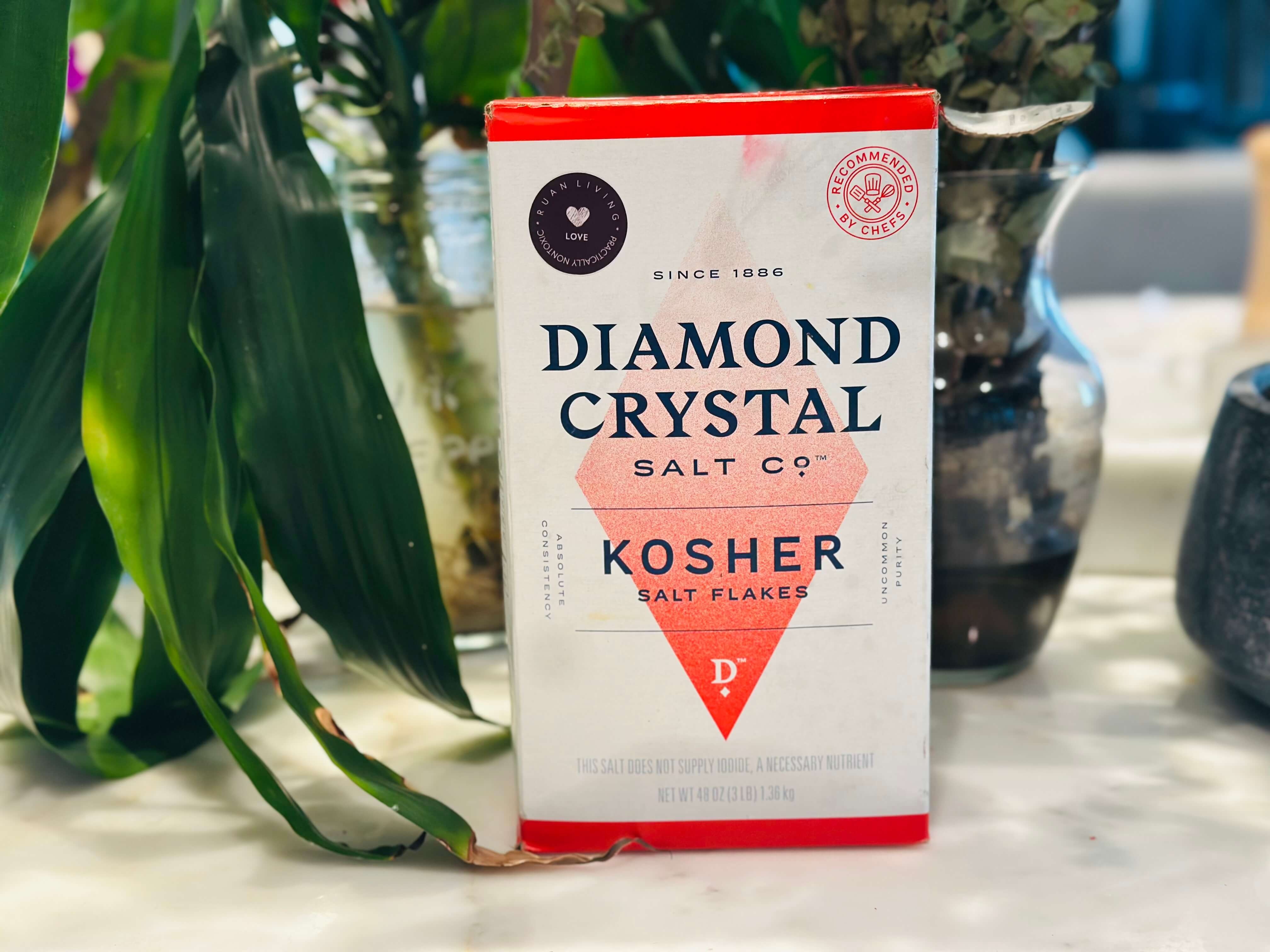
Jacobsen Pure Kosher Sea Salt, Maldon Sea Salt Flakes, Saltverk Flaky Sea Salt, and Vera Salt have also returned non-detect or low reported results in recent independent and accredited third-party testing.
Salt is one example of the daily decisions that shape your home environment and your body’s burden. Within the Practical Nontoxic Living™ framework, those decisions don’t have to be perfect—they have to be thoughtful. Practical Wisdom means making peace with imperfect choices while consistently reducing what your biology has to process. This is something we practice until it is likely to become automatic for you during the 40-Day Home Detox™ program.
I’ll keep watching this space. I expect Table 3 to change—environmental conditions shift, more brands will be tested, and conflicting data will surface, as it has already. I recognize I have less long-term testing history on Diamond Crystal Kosher Salt than on some other brands, so new information may lead me to a different choice in the future. That uncertainty is part of the work, not a problem with it. A precautionary approach—choosing what’s testing well now, and staying open to what we learn next—is what Practical Nontoxic Living™ asks of all of us.
Salt is a staple in most homes—and it is also a reminder that your home is not a passive backdrop to your health. It is an active participant in your biology. The products you bring into your kitchen, bathroom, cleaning routines, and beauty and medicine cabinets matter. Their ingredients accumulate in your home and in you, and they either support or undermine your wellbeing.
If you’d like a structured way to begin reducing that burden, join my free 10-Day Ultimate Home Detox™ Kickstart, which automatically registers you for my free newsletter. It introduces the key concepts and first practical steps of Practical Nontoxic Living™—from healing environments to regulatory gaps to everyday habits worth examining. To hear new findings discussed as they emerge—including future salt testing updates—subscribe to the Practical Nontoxic Living™ podcast on your favorite podcast platform. And to understand the bigger framework behind these choices, explore what Practical Nontoxic Living™ means.
If you have recommendations or feedback, please share them at [email protected] or @ruanliving on most social media platforms. You can also learn more about me and my research approach.
Frequently Asked Questions About Heavy Metals in Salt
What is the healthiest salt?
There isn’t one “healthiest salt” for everyone, because the answer depends on what you’re optimizing for. If your priority is the lowest detectable heavy metals, the salts that have returned non-detect results in independent third-party testing (see Table 3, which includes Jacobsen Pure Kosher, Maldon, and Diamond Crystal Kosher Salt) are the best-documented choices. If your priority is iodine, a refined iodized salt fills a nutritional need that unrefined sea salts generally don’t. And if you’re drawn to mineral-rich unrefined salts for flavor or trace minerals, it’s worth knowing that the same minimal processing that preserves those minerals also tends to preserve contaminants. One point that surprises people: salt is not a meaningful source of dietary minerals to begin with, since the trace minerals it contains occur in very small amounts relative to other foods. So a research-informed way to frame “healthiest” is less about a single best brand and more about matching the salt to your goal, then favoring brands that publish current independent testing.
What is the best mineral salt without heavy metals?
This question contains a built-in tension worth naming. The processing that gives a salt its “mineral-rich” character (little to no refining) is the same processing that lets environmental contaminants remain, which is why mineral content and low heavy metal readings often pull in opposite directions. In the independent testing reviewed for this article, the mineral-marketed salts (various pink Himalayans, Celtic gray salt, and similar) tended toward the higher heavy metal readings, while the salts with non-detect results were generally cleaner-tasting flake and kosher salts with less of a “mineral” profile. It’s also worth keeping the stakes in proportion: because salt’s trace minerals are present in small amounts relative to other dietary sources, salt isn’t where most people meaningfully get their minerals. So if a mineral-rich salt is what you want, the most useful filter isn’t the marketing language. It’s whether the brand publishes current third-party testing you can actually compare. For the lowest documented heavy metal levels, the non-detect brands in Table 3—Diamond Crystal Kosher Salt, Jacobsen Pure Kosher Sea Salt, Maldon Sea Salt Flakes, Saltverk Flaky Sea Salt, and Vera Salt—remain the better-characterized option.
Is pink Himalayan salt safe to eat?
Pink Himalayan salt has been found in independent testing (by Mamavation and LeadSafeMama) to contain measurable levels of heavy metals including lead, arsenic, and aluminum. The pink color comes from minerals in the salt, some of which are heavy metals. Whether it’s “safe” depends on how you define the term—the FDA has stated there’s no safe level of lead exposure for children, and pink Himalayan salt typically contains more measurable heavy metals than salts like Diamond Crystal Kosher Salt that have returned non-detect results. A precautionary approach—choosing salt brands with lower reported heavy metal content—is reasonable.
Which salt has the least heavy metals?
Based on the third-party testing reviewed in this article (see Table 3), five salt products have returned non-detect or low reported results across multiple heavy metals: Diamond Crystal Kosher Salt, Jacobsen Pure Kosher Sea Salt, Maldon Sea Salt Flakes, Saltverk Flaky Sea Salt, and Vera Salt. Diamond Crystal Kosher Salt is what I keep in my own kitchen for its consistent non-detect results across independent testing rounds. Testing landscapes continue to evolve, so I recognize I may choose differently in the future as more information surfaces.
Is sea salt safer than other types of salt?
Not necessarily. Sea salt’s purity depends on the source water and processing. Some sea salts (like Maldon Sea Salt Flakes and Jacobsen Pure Kosher Sea Salt) have returned non-detect results in independent testing; others have shown measurable heavy metals or microplastics. Ocean pollution—including microplastics and industrial runoff—can transfer into sea salt during evaporation. Look for sea salt brands that publish third-party testing rather than relying on “sea salt” as a category descriptor.
Does Celtic sea salt contain heavy metals?
Yes. In the independent testing reviewed for this article, Celtic sea salt (the gray, hand-harvested French sea salt sold mainly as Selina Naturally / Celtic Sea Salt®) returned some of the higher heavy metal readings in the dataset—Mamavation’s testing reported arsenic around 82 ppb and lead around 553 ppb in one fine-ground sample, with measurable aluminum as well. A 2025 proposed class action made similar allegations about lead and arsenic before it was voluntarily dismissed in April 2025; the company disputes the claims and notes that trace heavy metals occur naturally in unrefined sea salt. None of this establishes a specific health outcome, but because the FDA has stated that no safe level of lead exposure has been identified, a precautionary approach is reasonable: if you want the lowest reported levels, the brands in Table 3—including Diamond Crystal Kosher Salt and sea salts like Maldon and Jacobsen Pure Kosher—have returned non-detect or low results in independent testing. Celtic gray salt’s appeal is its mineral content, which comes with the same minimal processing that lets contaminants through.
How do you test Celtic sea salt for heavy metals?
There is no valid way to test Celtic sea salt for heavy metals at home. The lead test swabs sold in hardware stores are designed to detect lead on surfaces such as painted toys and dishware, not to quantify parts-per-billion levels in food, so they cannot tell you what is in your salt. Meaningful results require a laboratory using inductively coupled plasma mass spectrometry (ICP-MS), which measures lead, arsenic, cadmium, and mercury down to parts per billion. You can mail a sample to an independent laboratory yourself for roughly $80 to $200. For most households, the more practical route is to rely on published third-party testing: see what the laboratory testing shows for Celtic sea salt and the salt brands with the lowest reported heavy metals.
Does heavy metal exposure in salt matter during pregnancy?
Pregnant women and developing children are uniquely vulnerable to heavy metal exposure because the developing brain is particularly sensitive. The FDA has stated that no safe level of lead exposure has been identified in children. Research has also found associations between maternal heavy metal exposure and adverse pregnancy outcomes. (Caserta et al., 2013) For pregnant women, choosing a salt that has returned non-detect results in third-party testing is one practical step in reducing cumulative exposure.
Should I also worry about aluminum foil with my salt?
Aluminum is one of the heavy metals found in some salts (as well as in cookware, foil, antiperspirants, and many processed foods). The combined load matters. If you’re choosing a lower-aluminum salt but routinely cooking with aluminum foil, you’re reducing one source while maintaining another. A precautionary approach considers the cumulative exposure across products and habits, not just one source in isolation.
What is the best salt without heavy metals?
No salt is completely free of heavy metals—these elements exist throughout the natural environment from which salt is harvested. That said, independent third-party laboratory testing has found that several brands have returned non-detect or low reported results across multiple heavy metals tested, meaning the metals were below the laboratories’ limits of quantification. Based on the testing reviewed in this article, the salts without measurable heavy metals (or with the lowest reported levels) include Diamond Crystal Kosher Salt, Jacobsen Pure Kosher Sea Salt, Maldon Sea Salt Flakes, Saltverk Flaky Sea Salt, and Vera Salt. For the best sea salt without heavy metals specifically, Maldon Sea Salt Flakes and Jacobsen Pure Kosher Sea Salt have both returned non-detect results in LeadSafeMama’s independent testing. Diamond Crystal Kosher Salt (Amazon affiliate link) is what I keep in my own kitchen. See Table 3 above for the complete list of the lowest-testing options.
This information is shared for educational purposes within the Practical Nontoxic Living™ framework. It is not medical, nutritional, or product-safety advice.
Sources
Click to expand the source footnotes (referenced by superscript numbers in the tables above) and the peer-reviewed citations supporting the health claims in this article.
Source footnotes for the tables
- LeadSafeMama. “Independent Third-Party Laboratory Testing Confirms Redmond Real Salt Tests Positive for Unsafe Levels of Lead and Arsenic.” Posted July 18, 2024; updated November 24, 2024.
- Mamavation. “Sea Salt & Himalayan Salt Tested For Heavy Metals Like Lead & Microplastics—Guide.” Originally published December 12, 2023; most recent modification May 5, 2026. Mamavation reported that microplastics were detected in samples but at levels too low for Fourier Transform Infrared (FTIR) Spectroscopic imaging to conclusively identify the type of microplastic.
- LeadSafeMama. “Saltverk Hand Harvested Flaky (white) Sea Salt from Iceland tests positive for Arsenic—August 2024 lab report.” Posted September 2024.
- LeadSafeMama. “How much Lead is in salt? Which salt is safest to use for cooking? Is Himalayan salt safe?” Posted October 21, 2020; updated July 19, 2024.
- LeadSafeMama. “July 2024 Laboratory Test Results for Jacobsen Salt Co. Pure Kosher Sea Salt from Netarts Bay, Oregon.” Posted July 25, 2024; updated October 28, 2024. (See also the August 2025 retest of this product, which returned consistent non-detect results.)
- LeadSafeMama. “Jacobsen Salt Company’s Pure Italian Fine Sea Salt (from Trapani, Italy) tests positive for Lead—September 2024 lab report.” Posted September 18, 2024; updated September 20, 2024.
- Crucial Four. “Comparing 6 Common Salt Types & Differences in Toxic Content.” Comparative results published by salt manufacturer Crucial Four for several brands, including its own mSalt and mMinerals products. Accessed January 28, 2025. See also footnote 16 for Crucial Four’s more recent mSalt Certificate of Analysis.
- AGQ Labs USA. Analytical Report AL-23/075844 for Vera Salt Spring Salt. Heavy metals analysis via ICP-MS, with a limit of quantification (LOQ) of 0.010 mg/kg for arsenic, cadmium, lead, and mercury. Issued May 15, 2023. Report publicly accessible at verasalt.co/pages/lab-testing. The aluminum result from this report is 2.78 ppm.
- Redmond Real Salt. Real Salt® Elemental Analysis Summary Page. Published by Redmond Life. The document presents approximate percentages averaged across multiple third-party laboratory analyses conducted over years of testing via Inductively Coupled Plasma Mass Spectrometry (ICP-MS) and Ion Chromatography (IC). Values are upper-bound estimates expressed using the “≈<” notation (approximately less than). Redmond explicitly states it does not publish individual lab results because elements detected vary across samples. Arsenic, lead, and mercury are marked as “found occasionally.” Original Redmond values were published as approximate percentages and have been converted here to ppm and ppb: aluminum 0.050000% (≈<500 ppm); arsenic 0.000008% (≈<80 ppb); cadmium 0.000002% (≈<20 ppb); lead 0.000020% (≈<200 ppb); mercury 0.000002% (≈<20 ppb). Accessed May 2026.
- Only Salt. The heavy metal figures shown in Table 2 for Only Salt Plastic-Free Spring Salt (arsenic 60 ppb, cadmium 4 ppb, lead 30 ppb, mercury 7 ppb) were compiled from Only Salt’s manufacturer-published materials; accessed January 2025. The specific testing laboratory, analytical method, and limits of quantification for these figures are not stated in the original source available to this article. In January 2025 I asked the company directly whether heavy metals were tested; that question was not answered. As of September 1, 2026, I could not locate published heavy metal testing on the company’s website. Independent third-party results for this product, which differ substantially, are shown in Table 1 and cited at footnote 19. The microplastics non-detect finding is separately addressed at footnote 17.
- AGQ Labs USA. Analytical Report AL-25/079008 for Vera Salt Spring Salt, issued April 18, 2025, and Analytical Report AL-26/099725 for Vera Salt Sample L-052324, issued May 4, 2026; both via ICP-MS with an LOQ of 0.020 mg/kg for arsenic, cadmium, lead, and mercury. Light Labs (Ann Arbor, MI), Test 55028 for Vera Salt Fine Salt, issued April 22, 2026; ISO 17025-accredited heavy metals analysis via ICP-MS/MS (method LLMTDA1, modified from FDA EAM 4.7), with LOQs of 16.33 ppb (arsenic), 2.93 ppb (cadmium), 46.32 ppb (lead), and 17.8 ppb (mercury); all four analytes returned non-detect. EMSL Analytical, Inc., Case No. 362601026 for Vera Salt Fine Spring Salt; microplastics analysis via Polarized Light Microscopy, Reflected Light Microscopy, and Fourier Transform Infrared Spectroscopy per ISO 24187:2023; sample weight 130.4 g; issued April 6, 2026; no microplastics detected. All reports publicly accessible at verasalt.co/pages/lab-testing.
- LeadSafeMama. “Testing Diamond Crystal Pure and Natural Kosher Salt for Lead, Cadmium, Mercury, and Arsenic with Independent, Third-Party Laboratory Analysis.” Posted October 28, 2025. April 2025 test results returned non-detect for all four heavy metals; product added to LeadSafeMama’s Lab-Tested Safer Choices List.
- LeadSafeMama. “Testing Maldon Sea Salt Flakes (from Essex, England) for Lead, Cadmium, Mercury, and Arsenic with Independent, Third-Party Laboratory Analysis.” Posted September 6, 2025. March 2025 test results returned non-detect for all four heavy metals; product added to LeadSafeMama’s Lab-Tested Safer Choices List.
- LeadSafeMama. “Testing Morton Iodized Salt for Lead, Cadmium, Mercury, and Arsenic with Independent, Third-Party Laboratory Analysis.” Posted September 29, 2025. Reported Morton Iodized Salt as testing positive for both lead and mercury. Specific ppb figures for each metal are shown on the lab report and the shareable social media graphic at the article URL. LeadSafeMama characterized the lead level as low but raised concern about the mercury finding. The product is not on LeadSafeMama’s Lab-Tested Safer Choices List.
- LeadSafeMama. “Chart Comparing the Toxicant Profiles of Popular Salts and Salt Products Tested by Independent, Third-Party Labs.” Posted April 2025; updated periodically. A consolidated reference comparing LeadSafeMama’s salt testing results across products.
- Crucial Four. “mSalt Certificate of Analysis: Verified Clean Mineral Salt with No Detectable Heavy Metals.” Published by Crucial Four. Reports a Certificate of Analysis for mSalt with arsenic, cadmium, lead, and mercury all listed as Not Detected, using USP <233> methods for elemental analysis. The blog post does not publish specific limits of detection or quantification in its body text. Mineral content (sodium, calcium, magnesium, potassium, iron) is also reported in ppm. Accessed May 2026.
- Pacific Control S.A.C. Laboratory. Test Report Nº 2024-0018026 for Maras Pink Salt, submitted by Tierra del Monte Sociedad Comercial de Responsabilidad Limitada (the supplier behind Only Salt). Microplastics analysis only; method PC-347 (Determination of Microplastics by optical method). Date of receipt: November 22, 2024; issue date: November 23, 2024. Result: Absence (no plastic pieces found under microscope). This report does not cover heavy metals. It also reflects a single 500 g sample supplied by the applicant and analyzed by optical microscopy, a method that identifies visible plastic pieces and does not resolve particles at the nanometer scale; the laboratory states that it is not responsible for the origin or source of the sample. In January 2025 I asked the company whether the microscope could detect nanoplastics; that question was not answered. Separately, Mamavation’s Fourier transform infrared (FTIR) spectroscopic imaging did not conclusively identify microplastics in any salt sample in its testing.
- LeadSafeMama (Tamara Rubin). “Baja Gold Salt Co. Mineral Sea Salt, Fine Grind (from Mexico) Tests Positive for Lead and Arsenic: September 2024 Lab Report.” Published September 18, 2024; updated April 26, 2025. Independent third-party laboratory testing (lab provider: SimpleLab) reported lead at 114 ppb and arsenic at 11 ppb, with cadmium and mercury non-detect (below 10 ppb). Aluminum and microplastics were not included in this analysis. The 5 ppb lead and 2 ppb mercury comparison figures referenced by the source are the 2021 Baby Food Safety Act proposed Action Levels—a health-protective benchmark proposed by the scientific and medical community, not an enforceable limit (the Act was not passed into law).
- Mamavation. “Sea Salt & Himalayan Salt Tested For Heavy Metals Like Lead & Microplastics—Guide”—results for Only Salt Plastic-Free Spring Salt, marked by Mamavation as updated September 2025. Samples were sent to an EPA-certified laboratory. Reported: aluminum 7.8 ppm, arsenic 797 ppb, cadmium 0.34 ppb, lead 4,669 ppb, mercury non-detect. Mamavation notes that this product may require a California Proposition 65 warning for lead, and places it in its “Not Our Favorite Salt Products” category. Sample count per product and the testing date for this individual product are not stated in the published results. Accessed September 1, 2026.
Peer-reviewed citations
Abdi et al, 2021. Abdi L, Jahed-Khaniki GR, Molaee-Aghaee E, Shariatifar N, Nazmara S, Mousavi Khaneghah A. The preliminary survey on the concentration of potentially toxic elements (PTEs) in salt samples collected from Tehran, Iran: a probabilistic health risk assessment. Environ Sci Pollut Res Int. 2021 Nov;28(44):62651-62661. doi: 10.1007/s11356-021-14720-w. Epub 2021 Jul 2. PMID: 34212337.
Akinyemi AJ, Oboh G, Ademiluyi AO, Araoye OO, Oyeleye SI. Dietary inclusion of local salt substitutes induces oxidative stress and renal dysfunction in rats. Rev Environ Health. 2014;29(4):355-61. doi: 10.1515/reveh-2014-0038. PMID: 24829193.
Althomali et al, 2024. Althomali, R.H., Abbood, M.A., Saleh, E.A.M. et al. Exposure to heavy metals and neurocognitive function in adults: a systematic review. Environ Sci Eur 36, 18 (2024). https://doi.org/10.1186/s12302-024-00843-7
Arruebarrena et al, 2023. Arruebarrena MA, Hawe CT, Lee YM, Branco RC. Mechanisms of Cadmium Neurotoxicity. International Journal of Molecular Sciences. 2023; 24(23):16558. https://doi.org/10.3390/ijms242316558
Balali-Mood et al, 2021. Balali-Mood M, Naseri K, Tahergorabi Z, Khazdair MR, Sadeghi M. Toxic Mechanisms of Five Heavy Metals: Mercury, Lead, Chromium, Cadmium, and Arsenic. Front Pharmacol. 2021 Apr 13;12:643972. doi: 10.3389/fphar.2021.643972. PMID: 33927623; PMCID: PMC8078867.
Bakulski KM, Seo YA, Hickman RC, Brandt D, Vadari HS, Hu H, Park SK. Heavy Metals Exposure and Alzheimer’s Disease and Related Dementias. J Alzheimers Dis. 2020;76(4):1215-1242. doi: 10.3233/JAD-200282. PMID: 32651318; PMCID: PMC7454042.
Caserta et al, 2013. Caserta D, Graziano A, Lo Monte G, Bordi G, Moscarini M. Heavy metals and placental fetal-maternal barrier: a mini-review on the major concerns. Eur Rev Med Pharmacol Sci. 2013 Aug;17(16):2198-2206. PMID: 23893187.
Chen et al, 2016. Chen P, Miah MR, Aschner M. Metals and Neurodegeneration. F1000Res. 2016 Mar 17;5:F1000 Faculty Rev-366. doi: 10.12688/f1000research.7431.1. PMID: 27006759; PMCID: PMC4798150.
Cheraghali et al, 2010. Cheraghali AM, Kobarfard F, Faeizy N. Heavy metals contamination of table salt consumed in iran. Iran J Pharm Res. 2010 Spring;9(2):129-32. PMID: 24363718; PMCID: PMC3862059.
Ebrahimi et al, 2024. Ebrahimi M, Ebrahimi M, Vergroesen JE, Aschner M, Sillanpää M. Environmental exposures to cadmium and lead as potential causes of eye diseases. J Trace Elem Med Biol. 2024 Mar;82:127358. doi: 10.1016/j.jtemb.2023.127358. Epub 2023 Dec 9. PMID: 38113800.
FDA, 2024. U.S. Food and Drug Administration. Lead in Food and Foodwares.
FDA, 2022. Flannery BM, Middleton KB. Updated interim reference levels for dietary lead to support FDA’s Closer to Zero action plan. Regulatory Toxicology and Pharmacology. 2022; 133:105202.
Fayet-Moore et al, 2020. Fayet-Moore F, Wibisono C, Carr P, Duve E, Petocz P, Lancaster G, McMillan J, Marshall S, Blumfield M. An Analysis of the Mineral Composition of Pink Salt Available in Australia. Foods. 2020 Oct 19;9(10):1490. doi: 10.3390/foods9101490. PMID: 33086585; PMCID: PMC7603209.
Martinez et al, 2018. Caroline Silveira Martinez, Gema Vera, José Antonio Uranga Ocio, Franck Maciel Peçanha, Dalton Valentim Vassallo, Marta Miguel, Giulia Alessandra Wiggers. Aluminum exposure for 60 days at an equivalent human dietary level promotes peripheral dysfunction in rats. Journal of Inorganic Biochemistry, Volume 181, 2018, Pages 169-176, ISSN 0162-0134. https://doi.org/10.1016/j.jinorgbio.2017.08.011.
OEHHA. California Office of Environmental Health Hazard Assessment. Proposition 65 No Significant Risk Levels (NSRLs) and Maximum Allowable Dose Levels (MADLs).
Prakash et al, 2016. Prakash C, Soni M, Kumar V. Mitochondrial oxidative stress and dysfunction in arsenic neurotoxicity: A review. J Appl Toxicol. 2016 Feb;36(2):179-88. doi: 10.1002/jat.3256. Epub 2015 Oct 29. PMID: 26510484.
Sabatha and Robles-Osorio, 2012. Ernesto Sabatha, M. Ludivina Robles-Osorio. “Renal health and the environment: heavy metal nephrotoxicity.” Nefrologia. Vol. 32. Issue. 3. May 2012, Pages 275-418.
Sanders et al, 2009. Sanders T, Liu Y, Buchner V, Tchounwou PB. Neurotoxic effects and biomarkers of lead exposure: a review. Rev Environ Health. 2009 Jan-Mar;24(1):15-45. doi: 10.1515/reveh.2009.24.1.15. PMID: 19476290; PMCID: PMC2858639.
World Health Organization, 2024. Lead poisoning. 27 September 2024.
Zhu and Costa, 2020. Zhu Y, Costa M. Metals and molecular carcinogenesis. Carcinogenesis. 2020 Sep 24;41(9):1161-1172. doi: 10.1093/carcin/bgaa076. PMID: 32674145; PMCID: PMC7513952.
Corrections and Updates
Updated on September 1, 2026: replaced the heavy metal figures shown for Only Salt with independent third-party laboratory results, and added a section on what to do when self-reported and independent testing disagree. Updated on July 21, 2026: reconciled the count of lowest-testing salt products across the article, tables, and structured data (Table 3 lists five products, including Saltverk Flaky Sea Salt); revised section headings and metadata for consistency with the compliance language used throughout Ruan Living. Added on June 4, 2026: Baja Gold Mineral Sea Salt and an expanded Celtic/Selena entry to the tables, based on independent third-party testing (LeadSafeMama) and published reporting; see the table footnotes for the specific results and sources. The full lists of corrections and additions are below. Click to view them.
View corrections and updates · September 1, 2026
This update was prompted by a reader question about whether Mamavation’s independent testing of Only Salt was reflected in this article. It was not, and reviewing that testing against what the article had published surfaced a substantial discrepancy.
- Only Salt · heavy metal figures in Table 1 replaced with independent third-party results. Table 1 previously showed only manufacturer-published figures for Only Salt (arsenic 60 ppb, cadmium 4 ppb, lead 30 ppb, mercury 7 ppb), attributed to footnote 10, with no stated laboratory, method, or limits of quantification. Mamavation’s EPA-certified laboratory testing of Only Salt Plastic-Free Spring Salt, marked as updated September 2025, reports aluminum 7.8 ppm, arsenic 797 ppb, cadmium 0.34 ppb, lead 4,669 ppb, and mercury non-detect. The lead figure is roughly 155 times the manufacturer-reported value. Both sets of figures now appear in Table 1, consistent with how this article handles other products tested by more than one source, and the independent results are cited at new footnote 19. Mamavation notes the product may require a California Proposition 65 warning for lead and places it in its “Not Our Favorite Salt Products” category. Only Salt has not appeared in Table 3 at any point.
- Only Salt · product name specified. The tables previously listed this product as “Only Salt.” It is now identified as Only Salt Plastic-Free Spring Salt, the specific product tested.
- Footnote 10 revised. The footnote now records that the manufacturer-published figures carry no stated laboratory, method, or limits of quantification; that the company was asked directly in January 2025 whether heavy metals were tested and did not answer; and that no published heavy metal testing could be located on the company’s website as of September 1, 2026.
- Footnote 17 expanded. The Pacific Control S.A.C. microplastics report reflects a single 500 g sample supplied by the applicant and analyzed by optical microscopy, a method that identifies visible plastic pieces and does not resolve particles at the nanometer scale; the laboratory states it is not responsible for the origin of the sample. The company was also asked in January 2025 whether the microscope could detect nanoplastics and did not answer. These limitations are now stated in the footnote.
- New section added. “When Self-Reported Numbers and Independent Testing Disagree” has been added to the “How to Choose the Healthiest Salt” section, using Only Salt as a worked example of why the source of a test result matters, and Vera Salt as the contrasting case of manufacturer-commissioned testing with full published documentation.
- Mamavation summary updated. The description of Mamavation’s investigation previously noted that one newer addition may need a Prop. 65 warning without naming it. That product is now identified.
- Table 2 caption updated. The caption now notes that where independent testing of the same product exists, it appears in Table 1 and may differ substantially.
A note on methodology. I used AI tools to assist with verifying the Mamavation figures against the published source, checking the company’s website for published heavy metal testing, confirming the FDA interim reference levels, and drafting the language describing each change above. Editorial decisions, source selection, framing, voice, and final review remain my own.
View corrections and updates · May 17, 2026
The corrections below were prompted by Vera Salt’s submission of 2025 and 2026 laboratory results, the publication of new independent testing in 2025 by LeadSafeMama covering Maldon Sea Salt Flakes, Diamond Crystal Kosher Salt, Morton Iodized Salt, and others, and a careful re-verification of manufacturer-published data sources for Crucial Four, Redmond Real Salt, and Only Salt.
- Vera Salt · aluminum column placement correction. The original entry of 2,780 in the aluminum (ppm) column reflected a correct conversion of the 2023 AGQ result (2.78 mg/kg) into ppb that was placed in the ppm column on the table. The corrected value is 2.78 ppm.
- Vera Salt · restoration of below-LOQ notation. The original entries for arsenic, cadmium, and mercury in the 2023 AGQ report row were shown as “10,” representing the ppb conversion of the lab’s 0.010 mg/kg limit of quantification. Each was a non-detect below that LOQ, not a measured value of 10 ppb, and is now shown as “ND <10.”
- Vera Salt · addition of 2025 AGQ Labs results. Vera Salt’s 2025 third-party testing (AGQ Labs USA, sample code AL-25/079008, issued April 18, 2025) was not present in the original publication and has been added. Results: aluminum 1.36 ppm; arsenic, cadmium, lead, mercury all ND <20 ppb.
- Vera Salt · addition of 2026 AGQ Labs results. Vera Salt’s 2026 third-party testing (AGQ Labs USA, sample code AL-26/099725, issued May 4, 2026) has been added. Results: aluminum 1.42 ppm; arsenic, cadmium, lead, mercury all ND <20 ppb.
- Vera Salt · addition of 2026 Light Labs secondary results. Vera Salt’s 2026 secondary confirmation testing (Light Labs, Ann Arbor, MI, ISO 17025-accredited via ICP-MS/MS, issued April 22, 2026) has been added. Light Labs reported lower LOQs for arsenic (16.33 ppb), cadmium (2.93 ppb), and mercury (17.8 ppb) than AGQ; the LOQ for lead at Light Labs (46.32 ppb) was higher than AGQ’s LOQ for lead (20 ppb). All four analytes returned non-detect at both labs.
- Vera Salt · addition of 2026 EMSL microplastics results. Vera Salt’s 2026 microplastics testing (EMSL Analytical, Inc., Case No. 362601026, issued April 6, 2026) has been added. EMSL conducted analysis via Polarized Light Microscopy, Reflected Light Microscopy, and Fourier Transform Infrared Spectroscopy per ISO 24187:2023 and returned no microplastics detected.
- Maldon Sea Salt Flakes · addition of March 2025 LeadSafeMama retest. A March 2025 LeadSafeMama retest of Maldon Sea Salt Flakes returned non-detect for lead, cadmium, mercury, and arsenic. The earlier 700 ppb lead figure from a single source remains visible for transparency; LeadSafeMama has attributed that older figure to likely contamination of water used during the dissolution process. Maldon Sea Salt Flakes was added to LeadSafeMama’s Lab-Tested Safer Choices List in September 2025 and to Table 3 in this update.
- Diamond Crystal Kosher Salt · addition of April 2025 LeadSafeMama independent test. An April 2025 LeadSafeMama test of Diamond Crystal Kosher Salt returned non-detect for all four heavy metals, independently confirming the prior Mamavation finding. Diamond Crystal Kosher Salt was added to LeadSafeMama’s Lab-Tested Safer Choices List in October 2025.
- Morton Iodized Salt · addition of September 2025 LeadSafeMama test. A September 2025 LeadSafeMama test of Morton Iodized Salt reported the product as testing positive for both lead and mercury. The product is not on LeadSafeMama’s Safer Choices List. The specific ppb figures are visible on the lab report and shareable graphic at the article URL cited in footnote 14.
- Redmond Real Salt · correction of manufacturer data interpretation. The original entries for Redmond Real Salt in Tables 1 and 2 showed aluminum as 0.05 ppm and arsenic, cadmium, lead, and mercury as 0.00 ppb, attributed to Redmond’s own laboratory testing. On re-verification against Redmond’s published Real Salt® Elemental Analysis Summary Page, the source actually presents averaged percentages across years of third-party testing using the “≈<” notation (approximately less than) for upper-bound estimates, not specific non-detect results. Correctly converted from Redmond’s published percentages to ppm and ppb, Redmond’s own published values for Real Salt are: aluminum ≈<500 ppm; arsenic ≈<80 ppb; cadmium ≈<20 ppb; lead ≈<200 ppb; mercury ≈<20 ppb. Redmond marks arsenic, lead, and mercury as “found occasionally.” These corrected values are in similar ranges to what Mamavation and LeadSafeMama have independently reported, rather than the dramatically lower values implied by the prior “0.00” presentation. Footnote 9 has been revised accordingly.
- Crucial Four mSalt · addition of newer Certificate of Analysis. Crucial Four has published a more recent Certificate of Analysis for mSalt (footnote 16), which reports arsenic, cadmium, lead, and mercury all as Not Detected using USP <233> methods. This newer COA does not publish specific limits of detection in the blog post body. The mSalt row in Tables 1 and 2 now reflects both the older comparative figures (footnote 7) and the newer COA non-detect results (footnote 16) so readers can see both manufacturer-published data points.
- Only Salt · clarification of data sources. Footnote 10 has been updated to acknowledge that the heavy metal figures originally compiled for Only Salt do not include a stated testing laboratory, methodology, or limits of quantification in the original source available to this article. A separately verified microplastics test report from Pacific Control S.A.C. Laboratory (Test Report Nº 2024-0018026, November 23, 2024) for Maras Pink Salt—the salt that Only Salt sources—has been added as footnote 17 and is now linked to the Only Salt microplastics cell in both tables.
- Removal of pending-information asterisks. Asterisks on the Vera Salt and Crucial Four entries in the original publication denoted that additional information had been requested from those manufacturers. The asterisks have been removed because the requested information was received from Vera Salt and reviewed.
- Additions to Table 3. Vera Salt and Maldon Sea Salt Flakes have been added to Table 3 based on the 2025 and 2026 testing rounds described above.
- Compliance, accuracy, and discoverability updates (May 17, 2026). The phrasing around acute exposure has been updated from “most likely not create acute exposure” to “unlikely to cause acute toxicity at typical dietary levels” for precision. Cadmium and lead carcinogen classifications have been updated to reflect the specific IARC, U.S. EPA, and U.S. HHS designations. A new peer-reviewed reference (Balali-Mood et al, 2021) has been added in support of the heavy metal toxicity claims, and the PMCID for that reference has been corrected from PMC7203386 to PMC8078867 so the citation link reaches the correct source. The FDA Interim Reference Level entry for lead has been corrected: an earlier version listed 2.2 µg/day (children), 8.8 µg/day (women of childbearing age), and 12.5 µg/day (adults); FDA’s current IRLs apply specifically to children and women of childbearing age, and the 12.5 µg/day figure—sometimes cited as a benchmark for general adults—is not formally adopted by FDA. The article now reflects the current IRLs only, with a note acknowledging the older figure. A closing paragraph in Sophia’s voice acknowledging the evolving testing landscape has been restored. A typo in the conclusion (“most home’s”) was corrected, and the surrounding sentence was rewritten for clarity. A sixth FAQ (“What is the best salt without heavy metals?”) has been added to directly answer a question readers commonly search; the answer is grounded in the third-party testing summarized in Table 3.
- Mamavation expansion note. Mamavation has expanded its salt investigation since the original publication, adding approximately 17 additional brands (including Vera Salt, Crucial Four, Terrasoul Superfoods, Baja Gold, Frontier Co-op, and others) between 9/2025 and 5/2026. Detailed brand-by-brand results for the newer additions are now accessible through Mamavation Insider membership; the figures cited in the tables above reflect Mamavation’s originally published findings for the initial 23 brands, except where a later result is separately cited.
A note on methodology. I used AI tools to assist with cross-referencing data points across multiple sources, verifying figures against primary lab reports, and preparing draft language describing each correction in this section. Editorial decisions, source selection, framing, voice, and final review remain my own. All data presented above has been reviewed against the cited sources, and the corrections documented in this section reflect that review process.
A note on accuracy: The figures in this article are drawn from primary laboratory reports and public testing sources, with each value checked against the original report when possible. I use a range of tools, including AI, to help compile and cross-check data, but the editorial judgment and final review are my own. Lab results also vary from batch to batch, so these figures reflect the specific samples and dates cited—not a fixed property of any product. I work to keep this accurate and welcome corrections at [email protected].